Taking a brief look back at the work of the farm in 2025.
Tractor
After several busy years, this year, I planned to have no projects: no new garden beds, no new plant or animal species, no building projects.
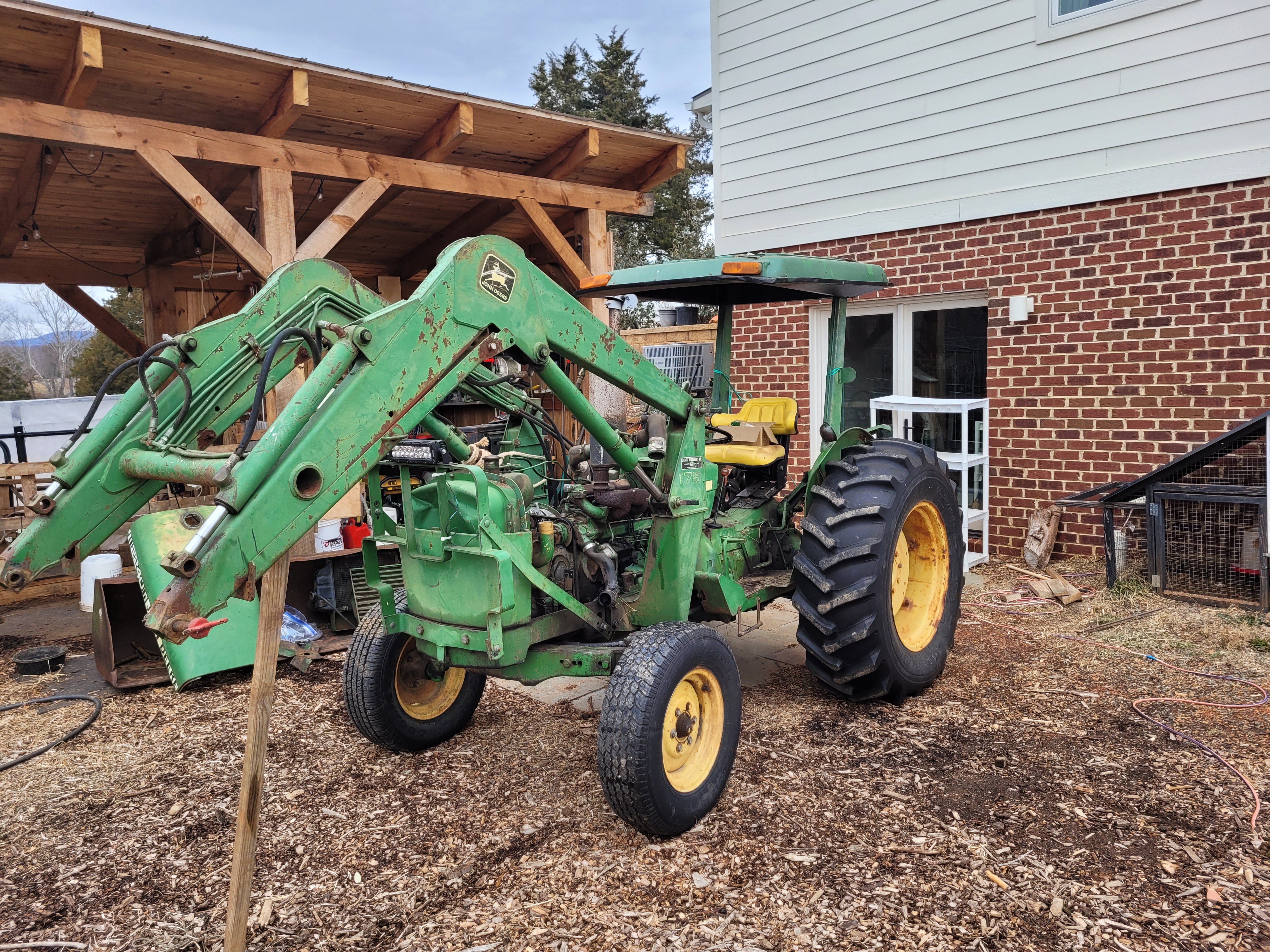
Then I bought a broken-down tractor: a 1976 John Deere 2240 (55hp, 2 wheel drive, 3-cylinder diesel). Turns out I had a project.
I had been pondering a tractor for one specific job: unloading round hay bales. Technically, they roll and that’s how I’ve been moving them around the field. But none of the hay farmers have much liked my idea of rolling them off the top of the stack onto their trailer! So I have been blessed by the generous help of neighbors the last two years.
When I saw this old John Deere on Facebook Marketplace I thought it might be the one: new enough to run modern implements, but old enough to be understood and maintained by person of average intelligence, given that they have the right tools. The seller agreed: he had bought it from a hay customer as a project for himself, and enjoyed working on it. But during the summer, the hydraulic drive shaft had given out, and now he needed some cash for something else around the farm. So, we made a deal, and a week later, it was unloaded off the back of a roll-away into my back yard.
Over the following months, with the advice of my hay farmer and kind souls on Green Tractor Talk, I got to work:
- Replaced loader control cable (previous owner had bought the wrong part. Same part number, but didn’t fit!)
- Replaced hydraulic drive shaft
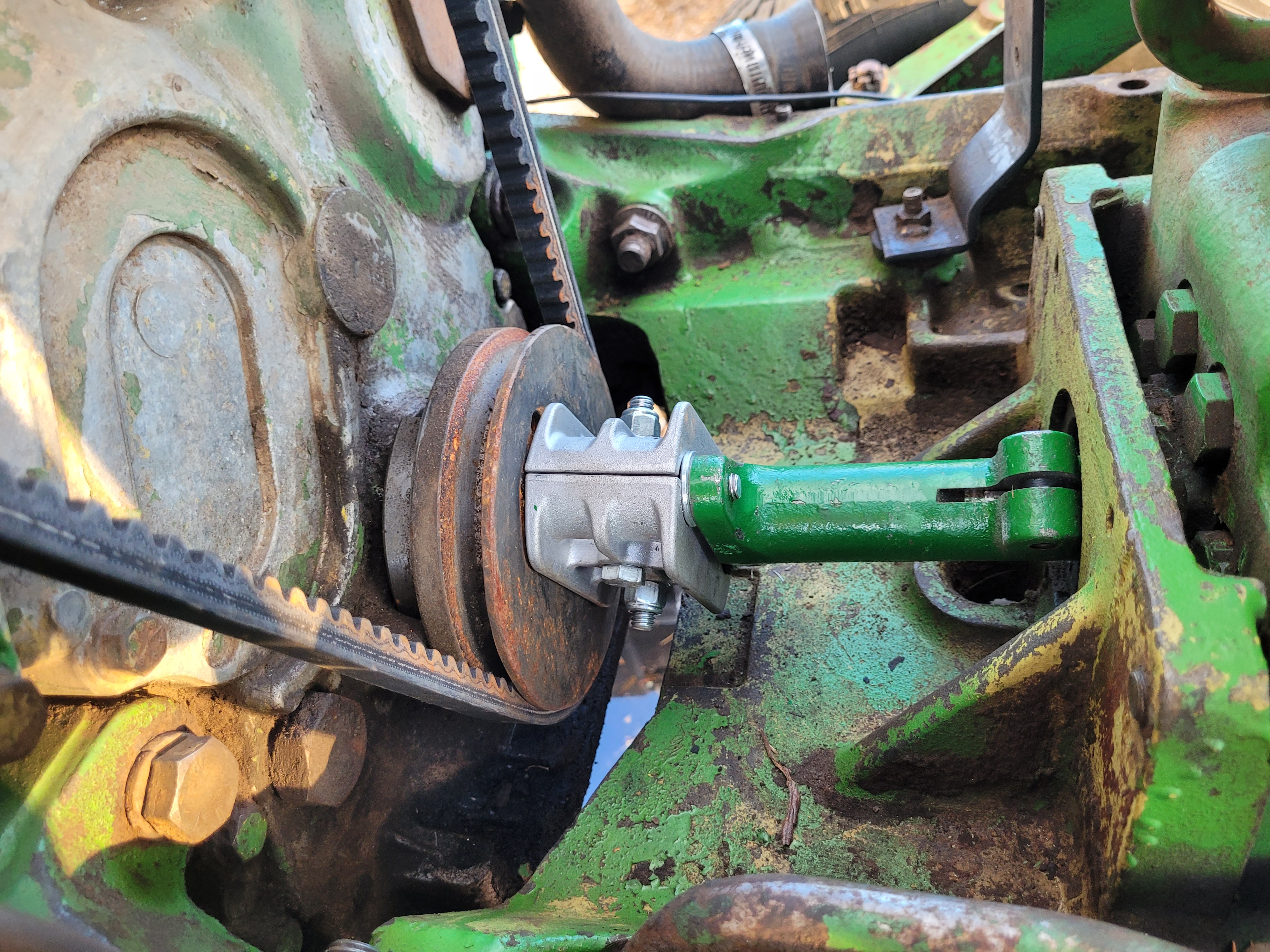
- Replaced fan/alternator belt
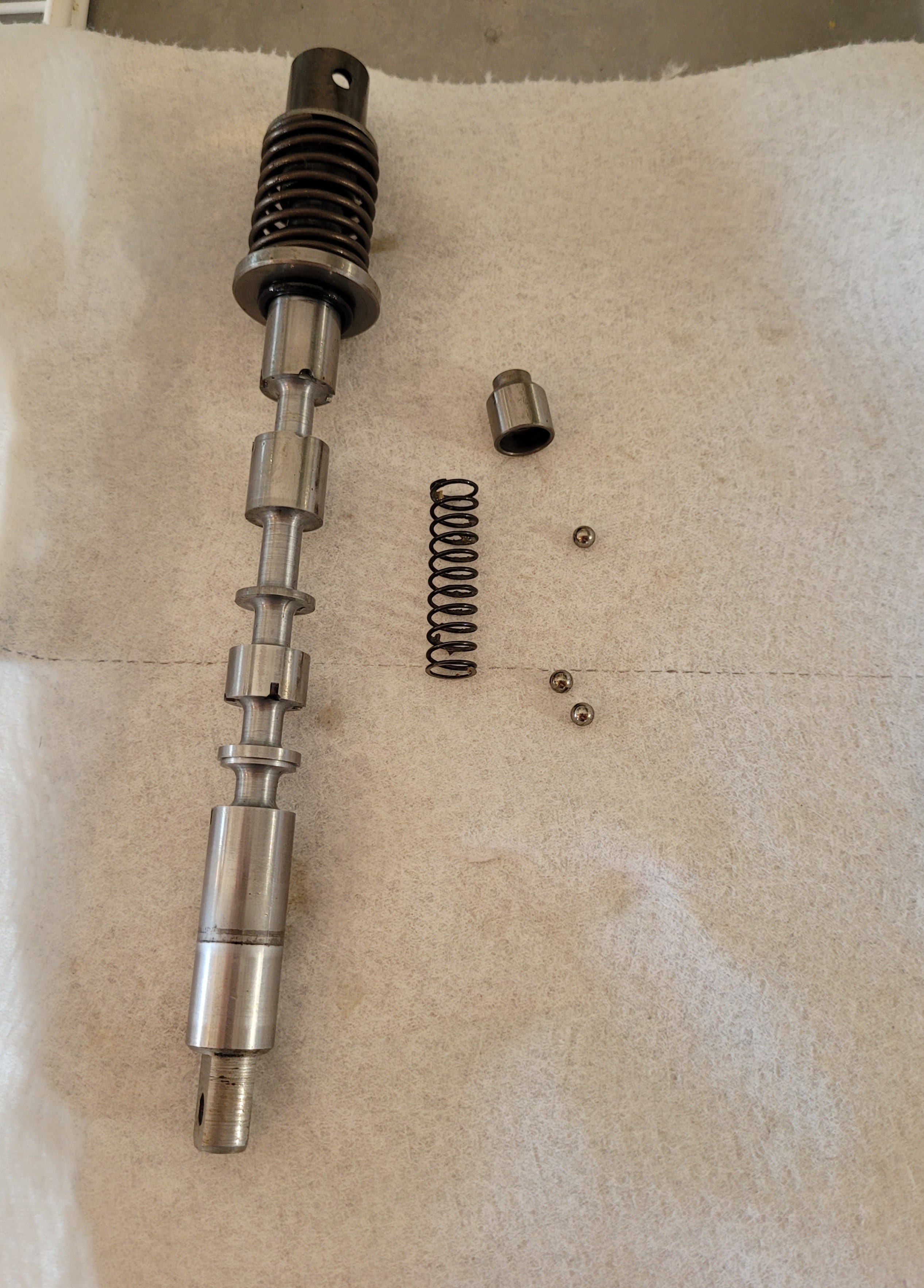
- Cleaned hydraulic control valve (It took 5 minutes to disable it and 2 weeks to finally, successfully reassemble it. I still don’t understand how the little ball bearings actually work.)
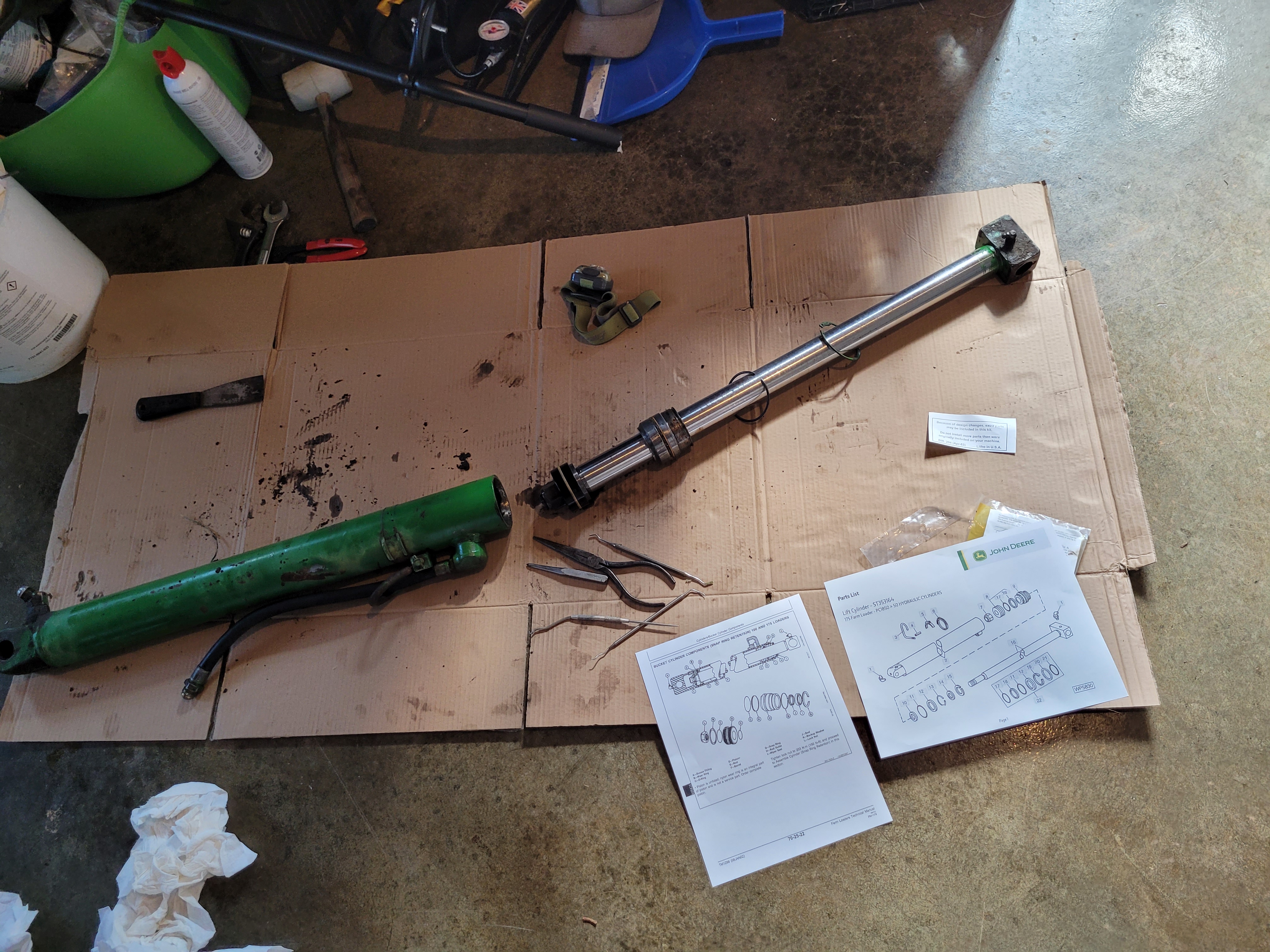
- Rebuilt the lift cylinders on the front-end loader (One of them leaked bad, and you’re supposed to rebuild both at once. John Deere sells a 5-year “rebuild kit”, but I needed many more parts than that!)
- Replaced a missing wheel nut
- Changed the coolant
- Replaced the air filter
- Replaced the hydraulic filter, gasket, and hydraulic fluid (It has 7gal capacity, but only 4 gallons came out of it! The steering worked a lot better after this.)
- Replaced the engine oil, oil filter, and drain gasket
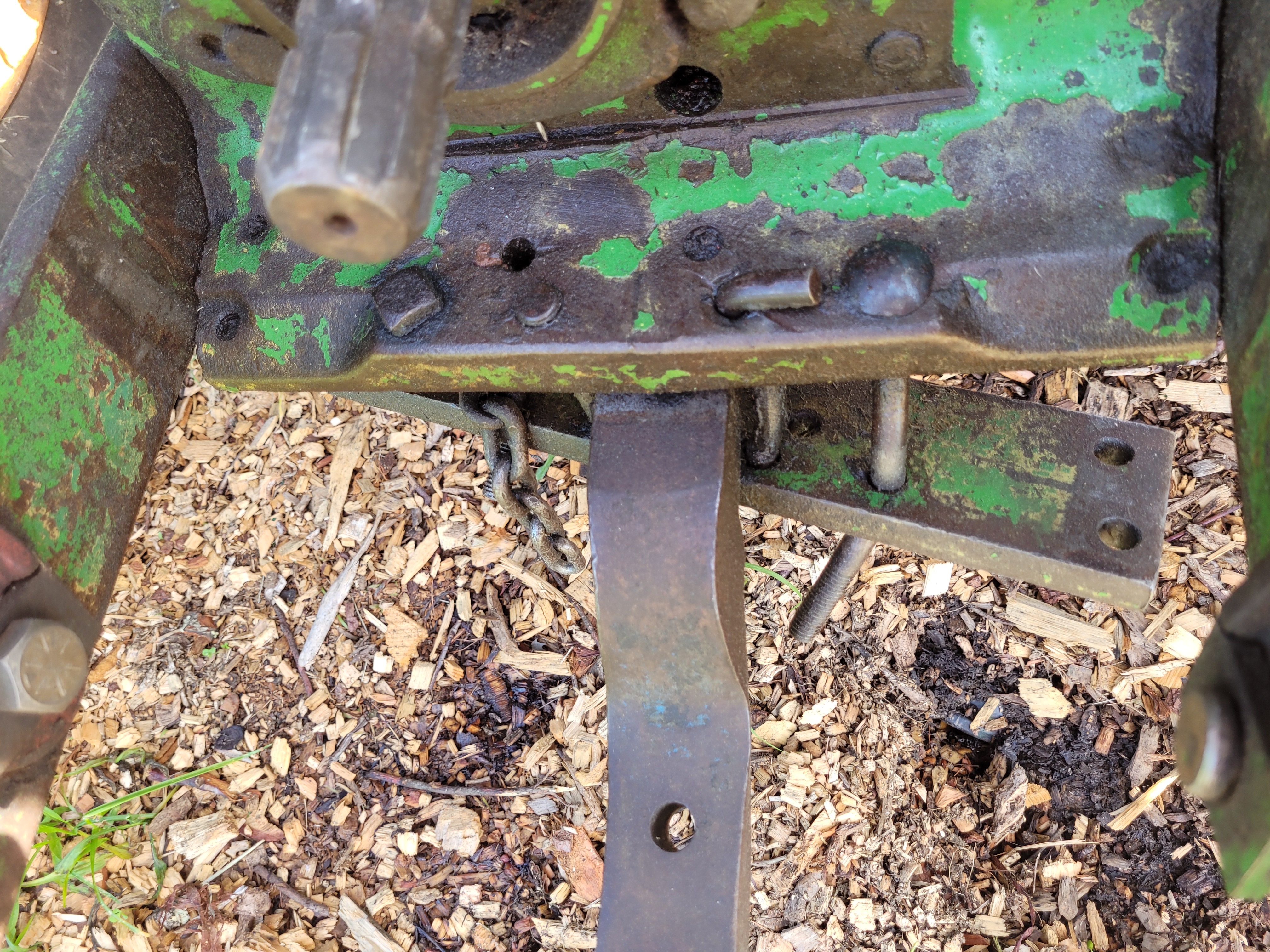
- Replaced the drawbar attachment hardware (It was previously held in place by a couple of long bolts, bent at the end…)
- Had new front tires put on it – another big boost for steering
- Replaced the loader bucket: it was rusted through when I got it, and couldn’t be repaired because of how bent it was
- Patched the fuel return line (it had been dripping diesel on the engine block, yikes)
I rounded up a host of serviceable attachments: a front-end bale spear, rear bale spear, single-bottom plow, rear scoop, and an old belt-driven 8-foot pasture mower. I also used a subsoiler borrowed from St. Dunstan’s Academy.
All told, I’d estimate I put $10k into the tractor project. That’s the entire revenue of the herdshare right there 🥹.
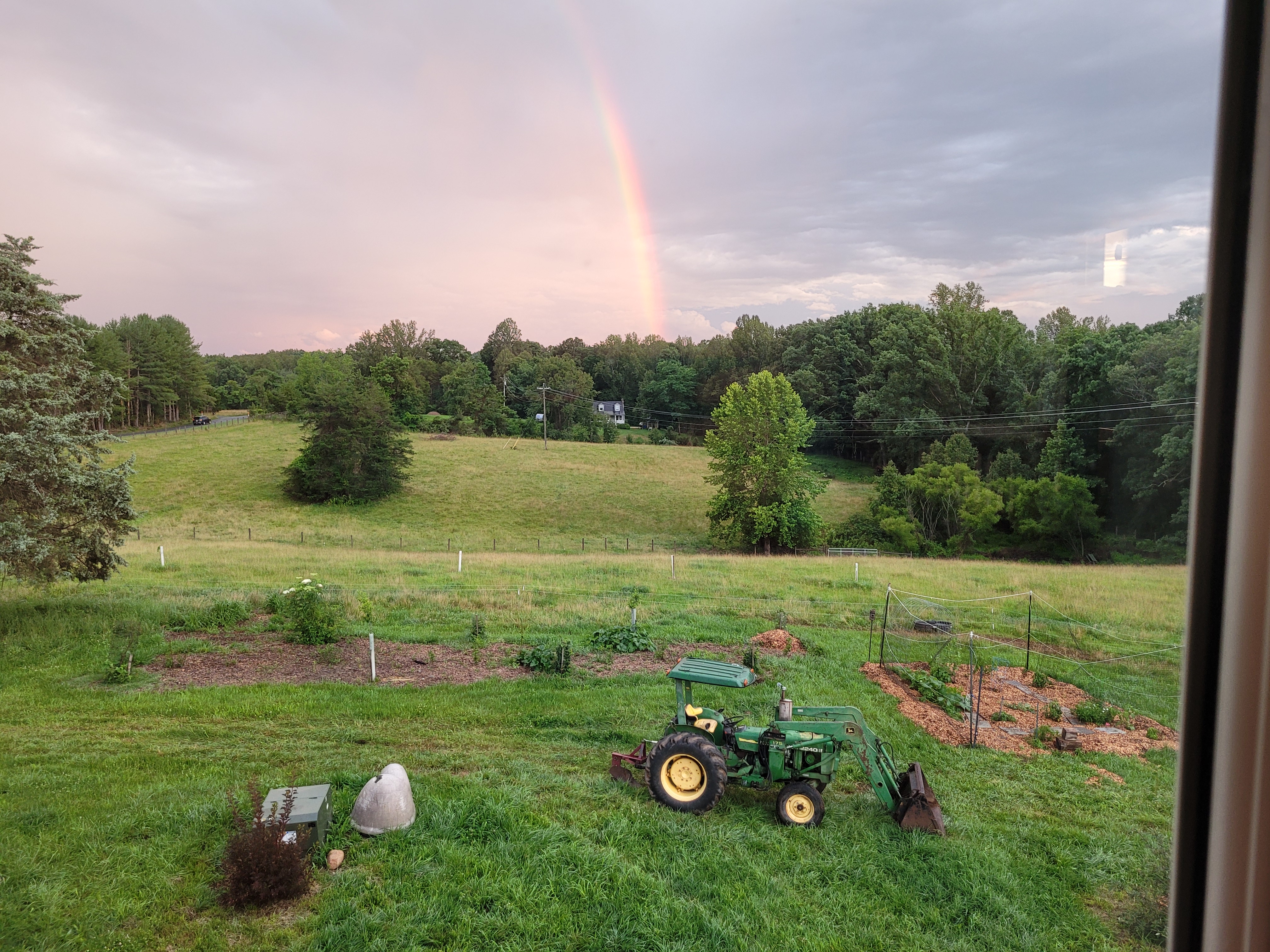
What a lovely picture! But tractor wouldn’t start because there was air in the fuel line.
Dairy
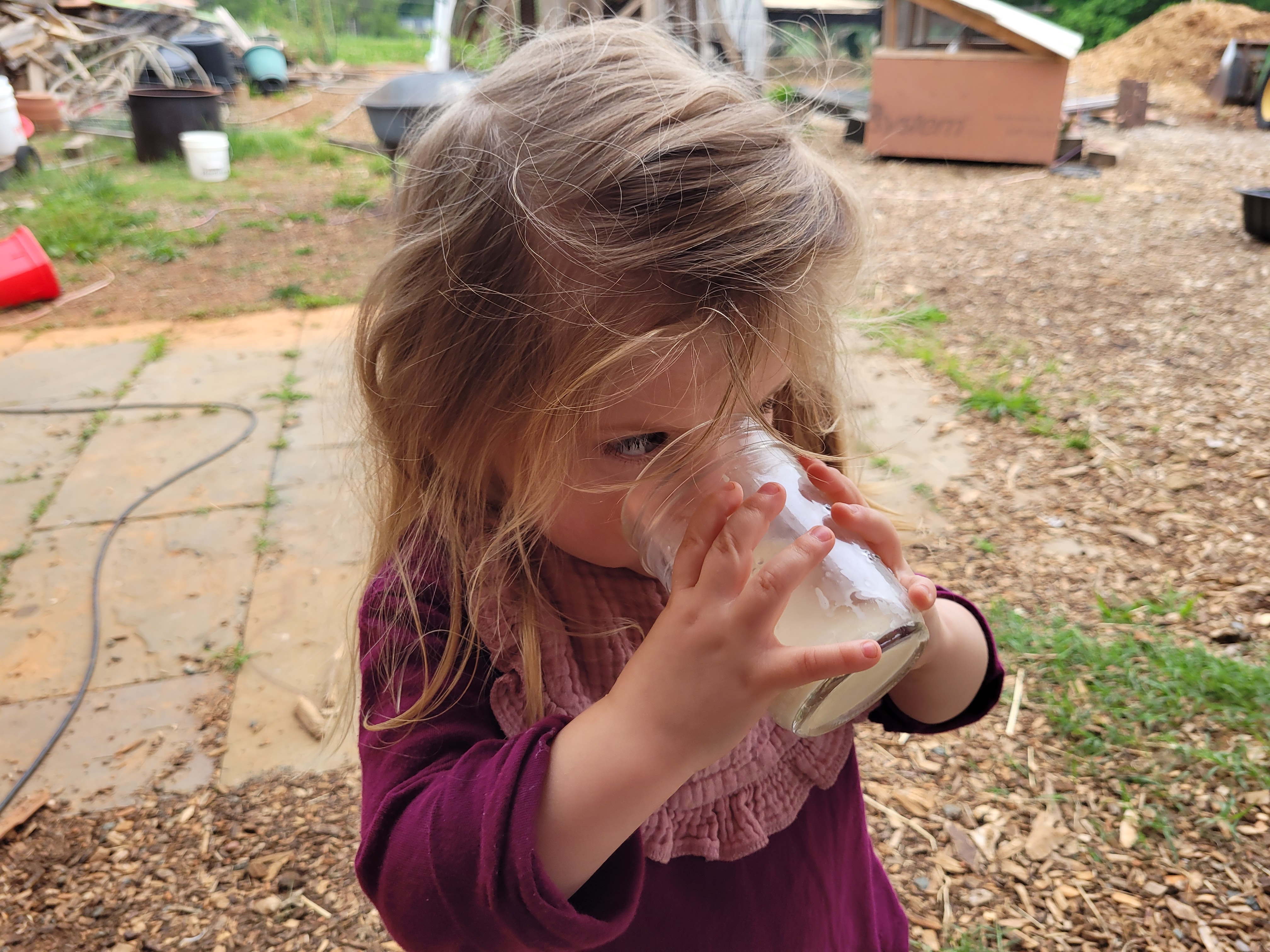
Things were really hoppin’ with the herdshare. At the peak, I was moving about 45 gallons of milk a week, but in the fall, the grass dried up and the cows wore out, and I found myself overcommitted. I couldn’t serve everyone, so I had to cut back here and there.
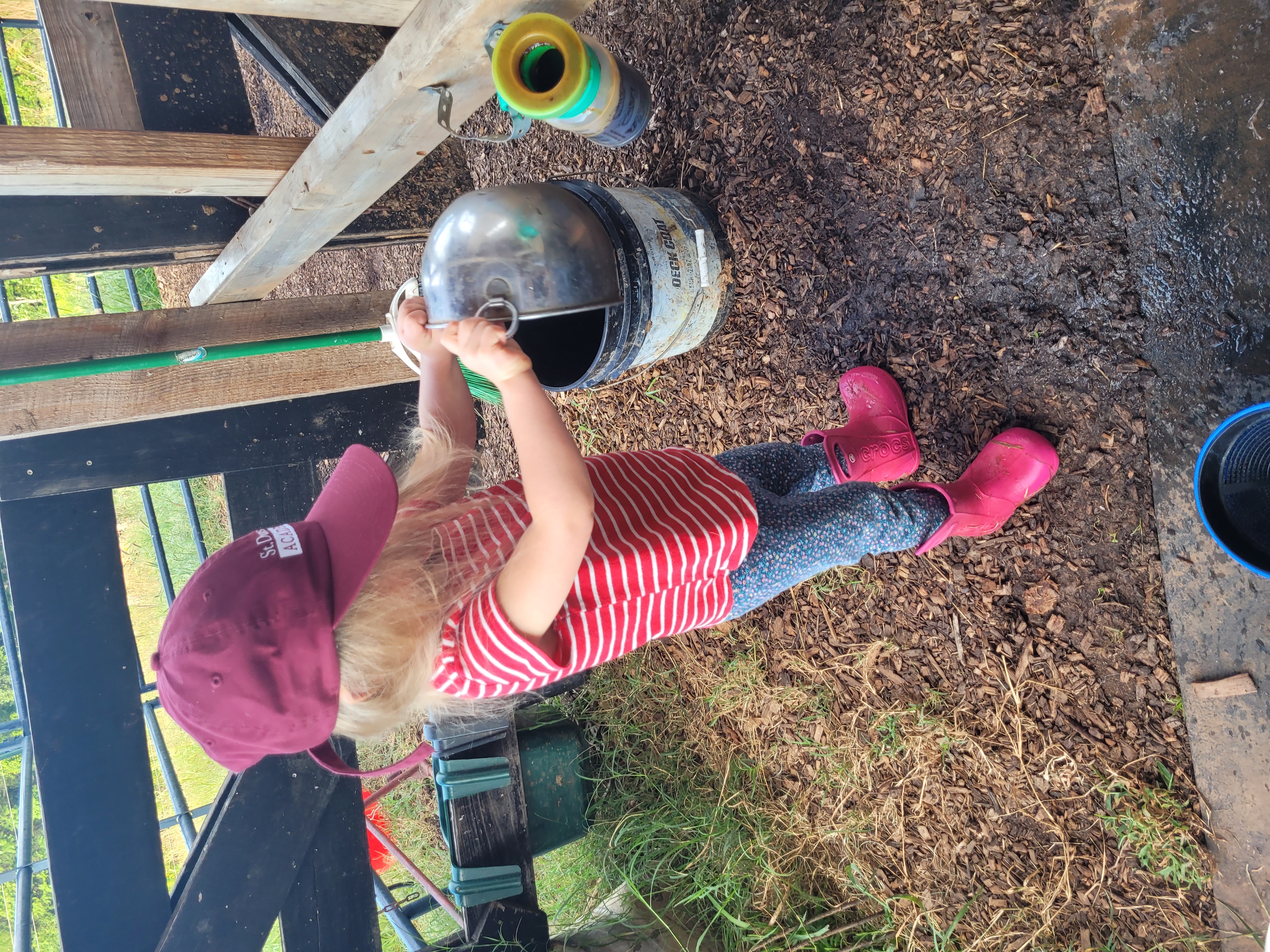
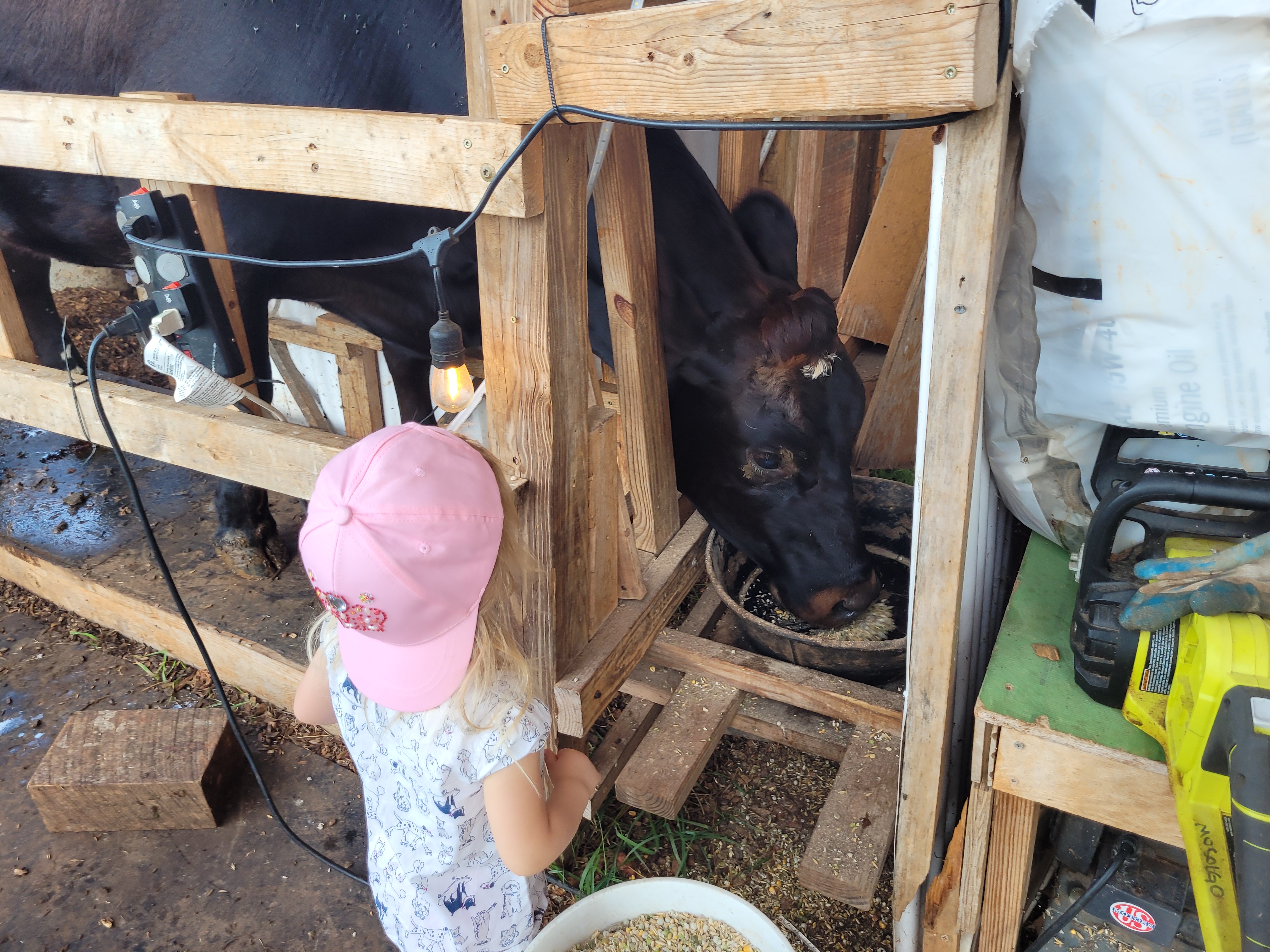
I was blessed with three great helpers for milking this year. For a while, I was only milking three days a week! It was an awfully nice rest, but of course, paying help takes any herdshare profit pretty close to zero. Thanks to all the good help, I got to take the older kids to an out-of-state family wedding in March.
I didn’t make any fancy cheese this year. My goal for next year is to get back into aged cheese one way or another, ideally soft cheese.
Breeding
Breeding this year didn’t go great. I shelled out the “big bucks” for some top-of-the-line grazing genetics (semen from New Zealand) and tried to synchronize heats with synthetic hormone. The vet came and did her thing, but only one of the five cows actually settled. Three weeks later, the vet came again and bred one of the others, so instead of five bred cows, I have two.
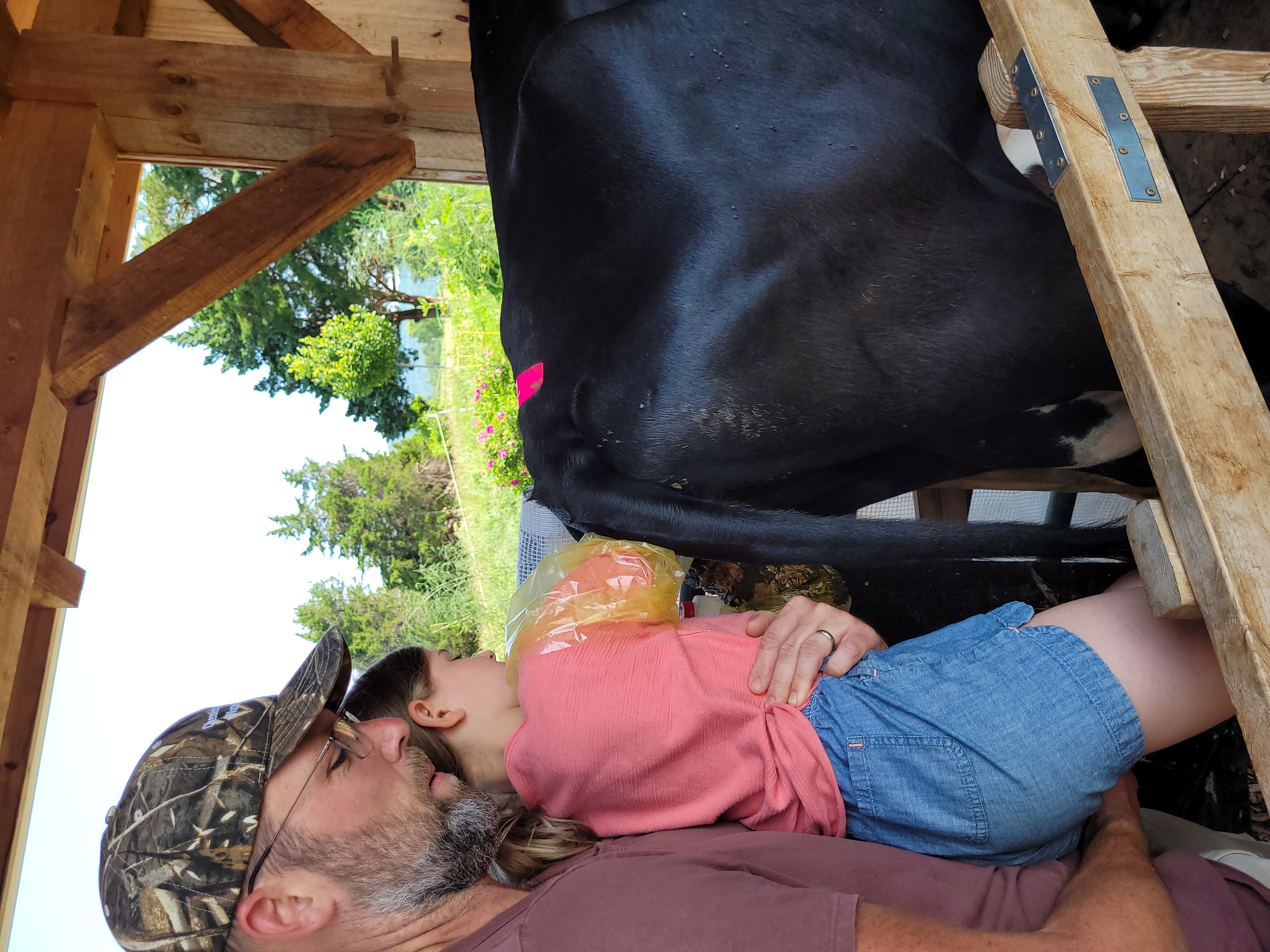
Lizzie asked if she could try! Eventually everyone got a turn.
In some ways, it’s for the best: I was on the fence with one cow with mastitis, and she didn’t breed right. Her daughter has always had a bad attitude; she didn’t breed either. (The vet said “I think you should eat that one” – so she’s in the freezer now. Doctor’s orders!) That leaves the two that settled (Artemis and Buttercup), and one who didn’t (Artemis). They’re definitely the nicest three.
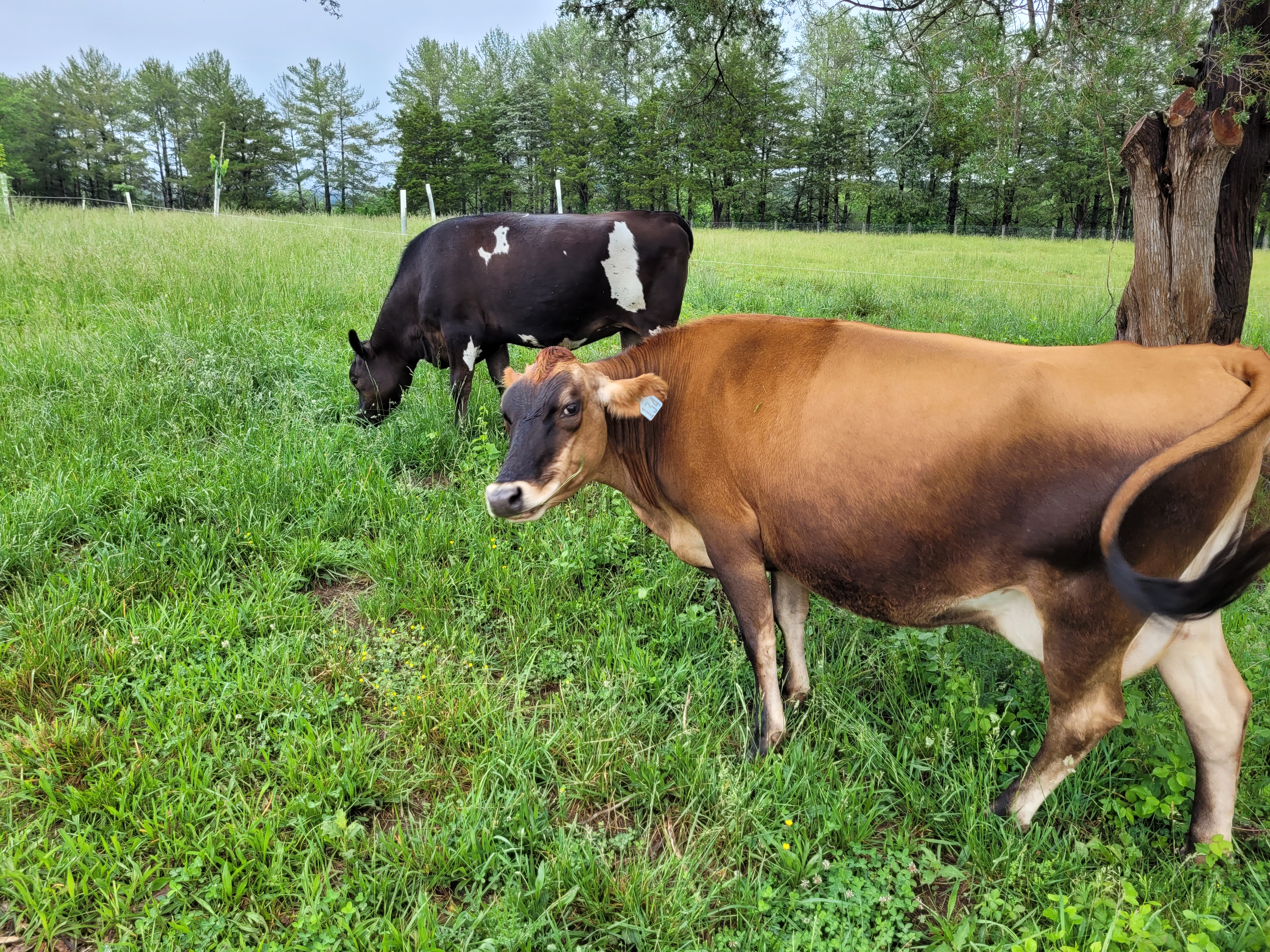
These two are bred for next spring.
My take is that, because I was depending on the vet, I didn’t breed soon enough in the season to get two or three good tries, and the hormone didn’t produce a good heat. So this year, I bought my own set of artificial breeding supplies and I’ve been practicing as opportunity allows. (I did a hands-on training back in October 2024.) I’m going to try breeding them myself this coming summer.
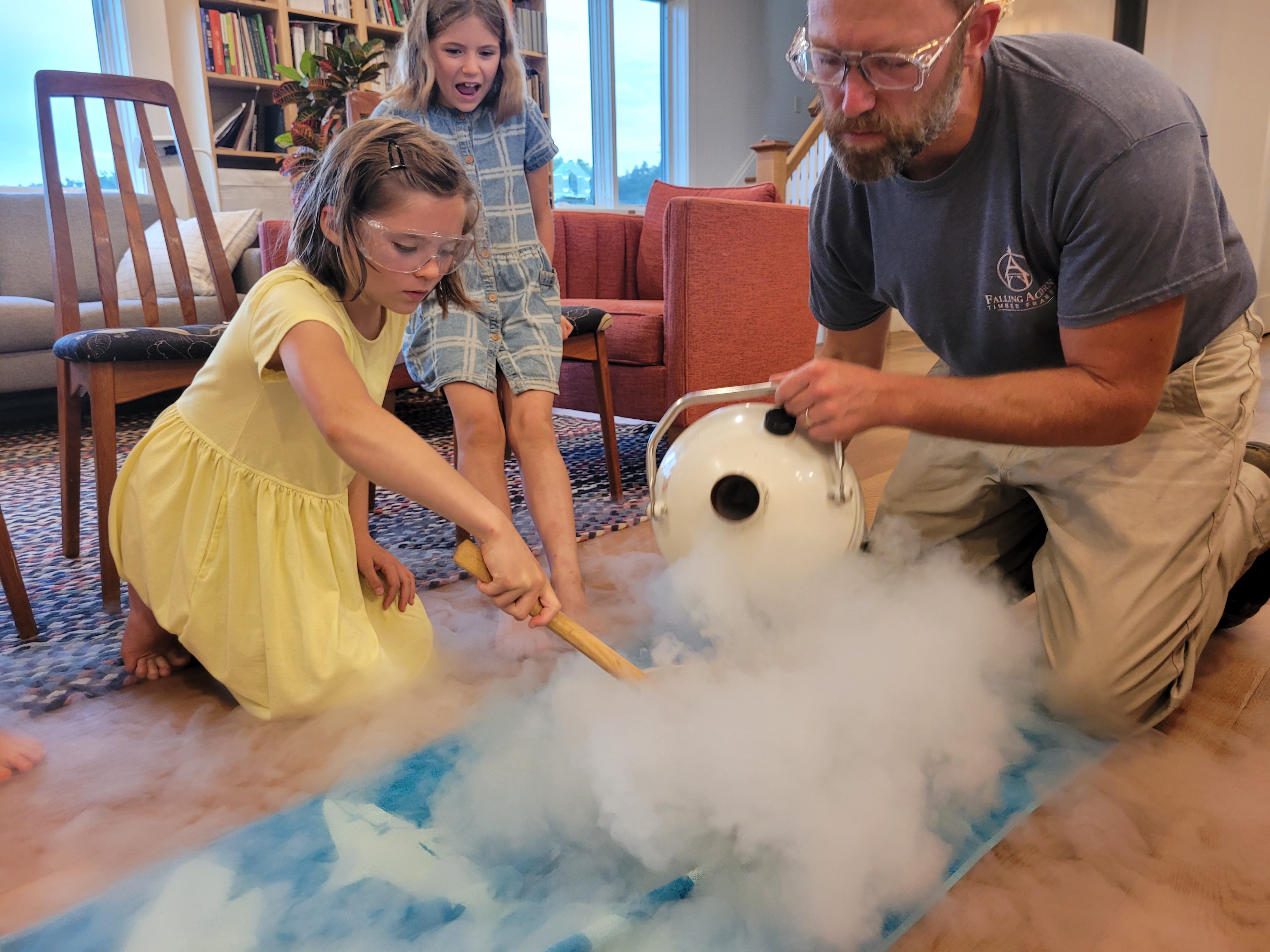
Bonus upside: sometimes I have a little extra liquid nitrogen and we can make ice cream.
Land and Grass
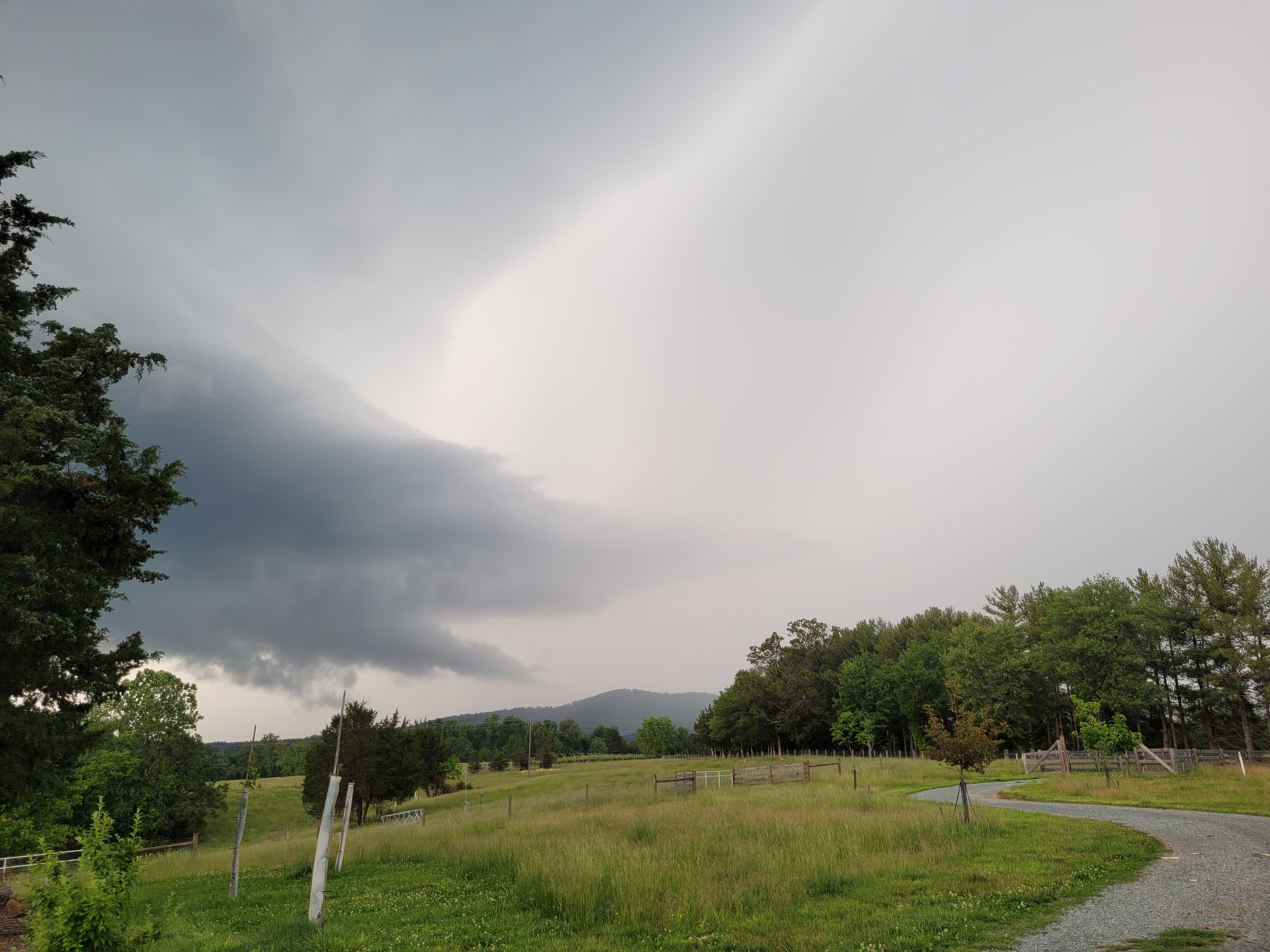
Rotational grazing went pretty well this year. I didn’t get the pasture mower going in time to rejuvenate summer pastures, so I was really in a squeeze by early fall. I’m hoping that an appropriately-timed mowing or two will help with late summer/early fall feeding. The idea is to remove overgrown grass and passed-over plant residue and make room for lower plants to grow (like clover and grass that was chomped by the cows).
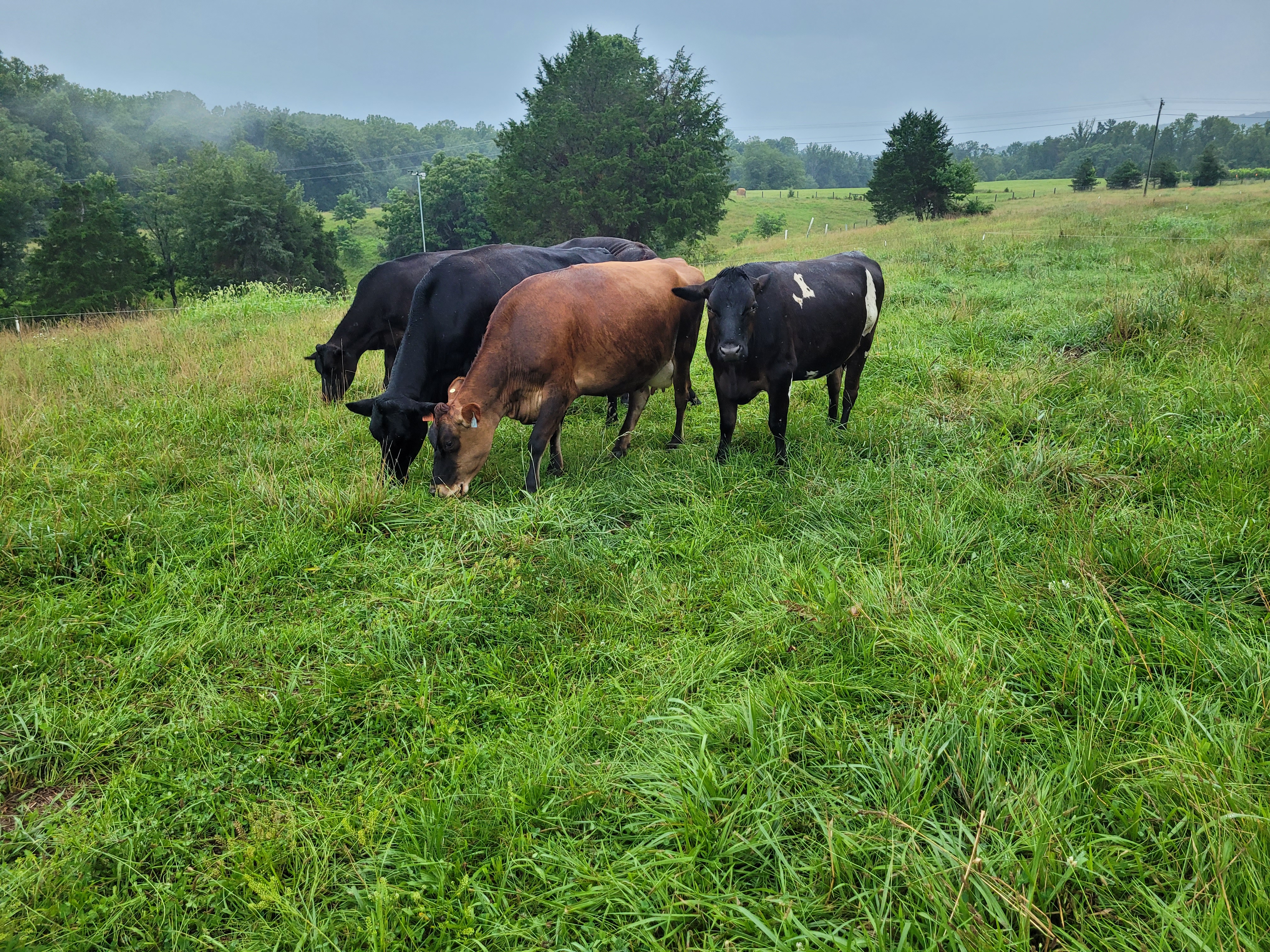
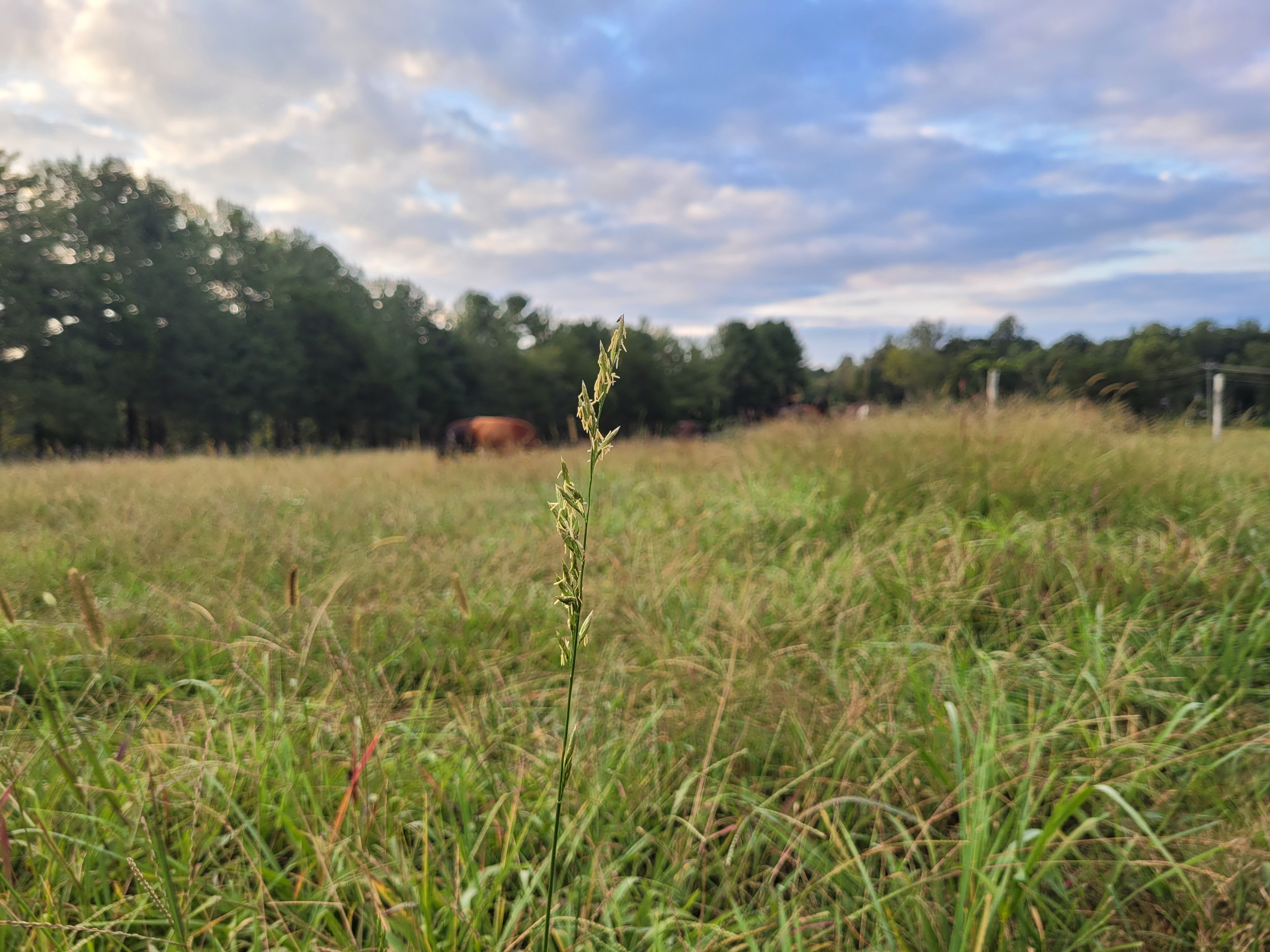
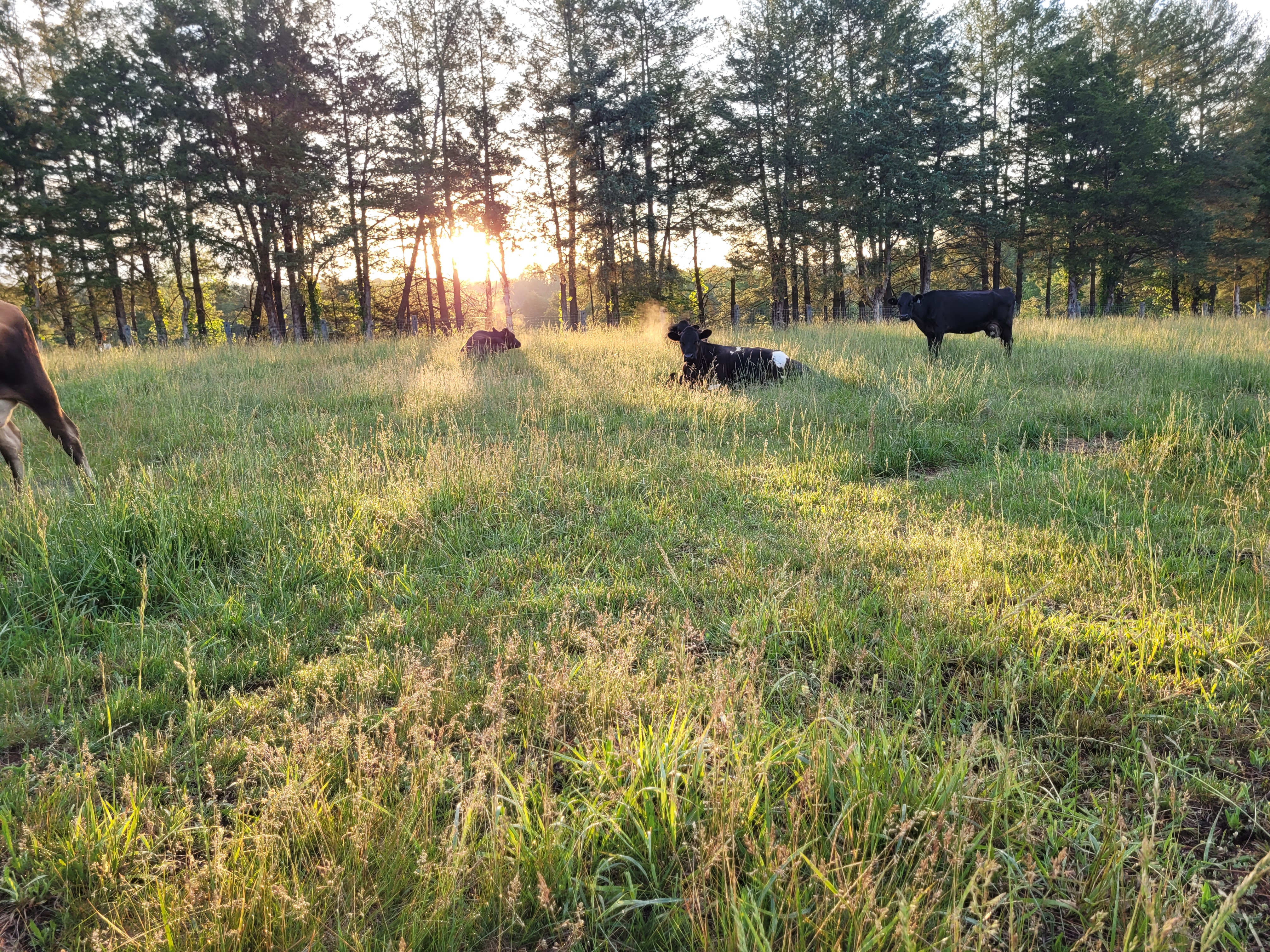
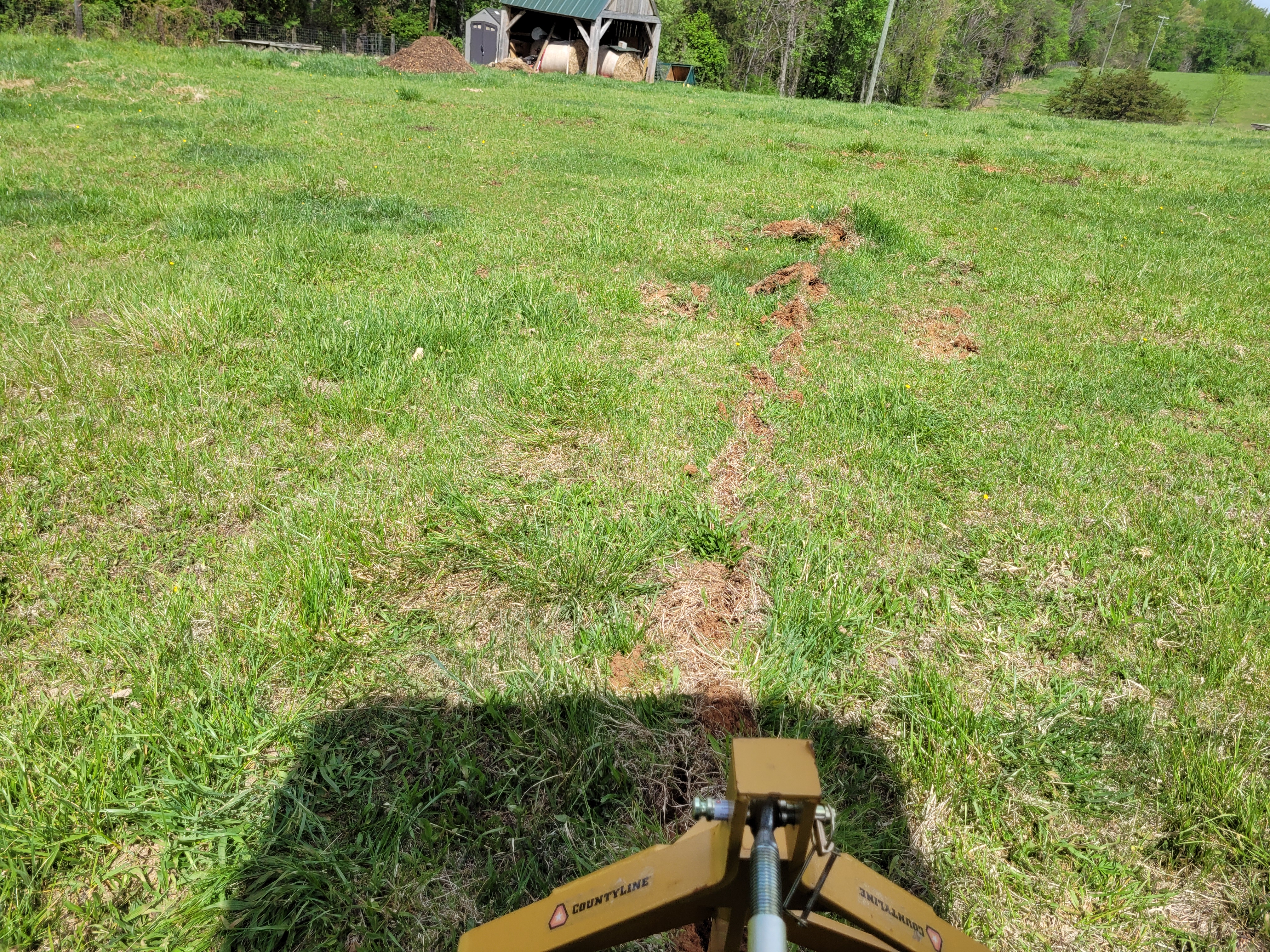
I’m also interested in trying techniques to improve the pastures’ capacity to hold water. I ran the subsoiler on contour lines in one of the pastures in the spring. It cut a deep, narrow trench along the hillside, but honestly, I couldn’t tell that it made a big difference. I also used the plow to cut wider trenches on level contours in the fall, but there hasn’t been any grass growth since then to see if it helped.
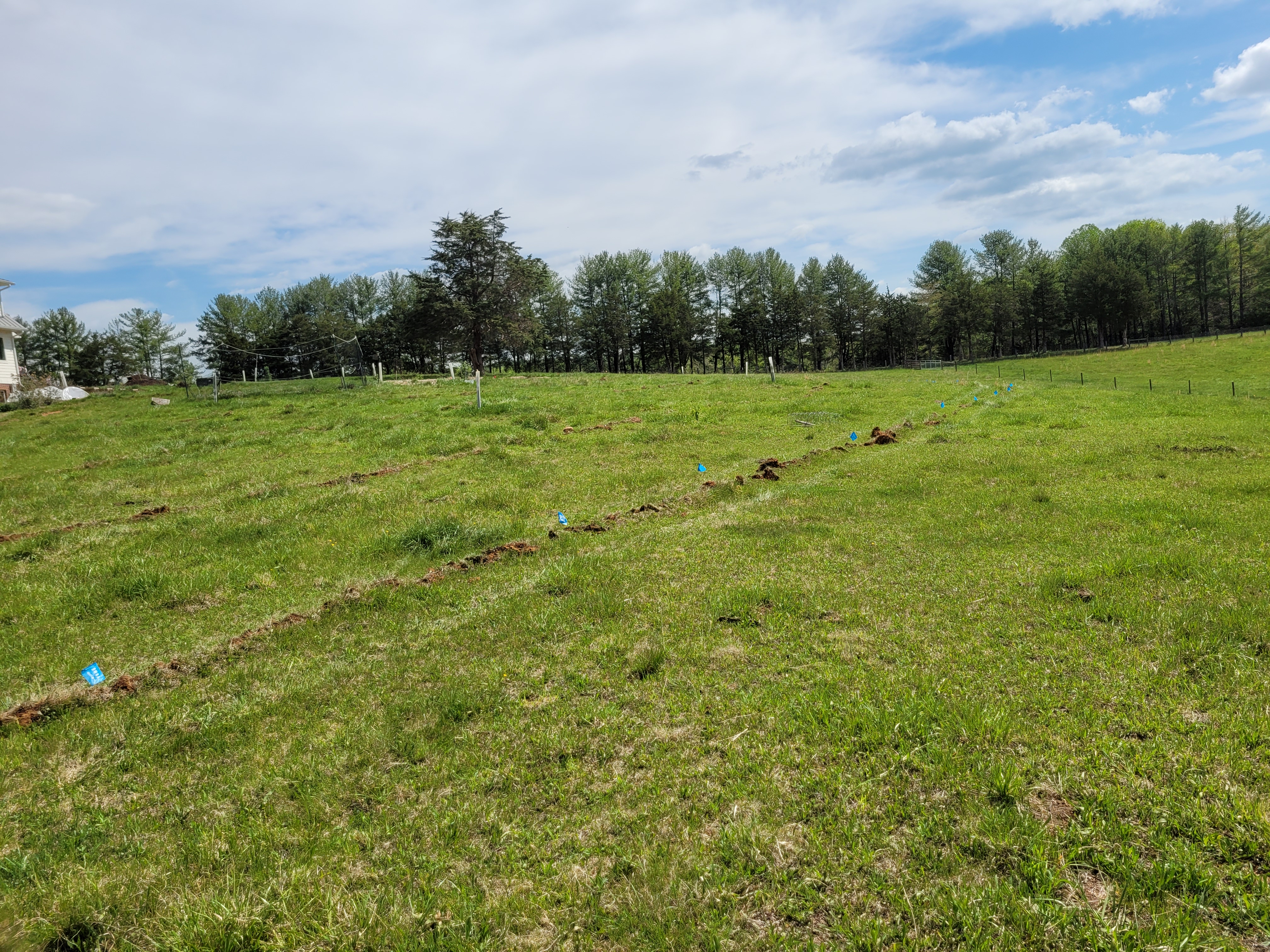
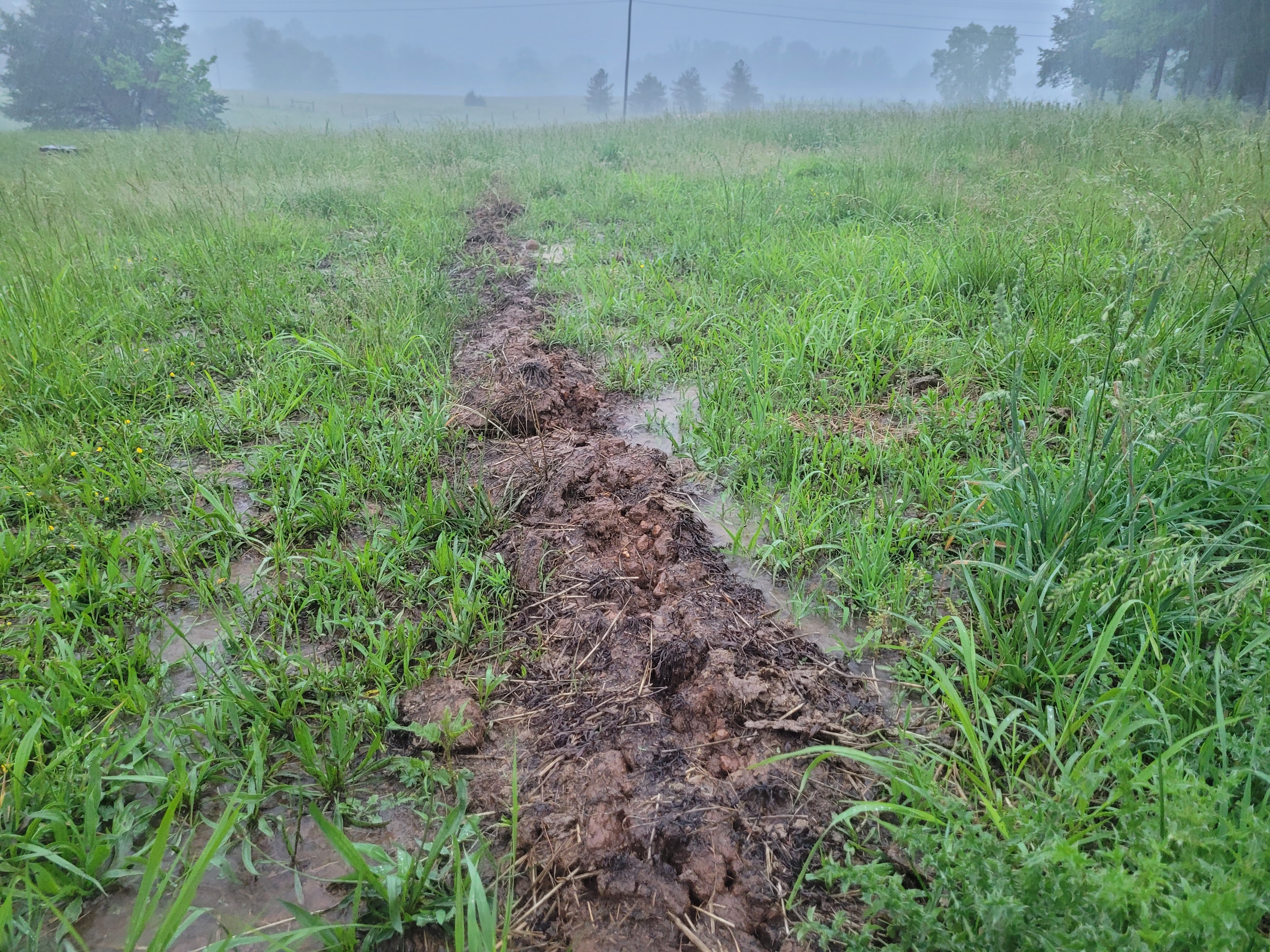
Lawn-wise, we got a zero-turn mower this year – what a game-changer!
Ponds
We have one working pond and one former pond: I heard the dam washed out in the 90s and it doesn’t hold water anymore. I had a few visits from an earthworks company about restoring them, but in the end, it turned out to be too expensive ($50k per pond!). I did some clearing in the dry pond this year, so that it will hopefully support some more productive use in the future (either as pasture or as a pond someday).


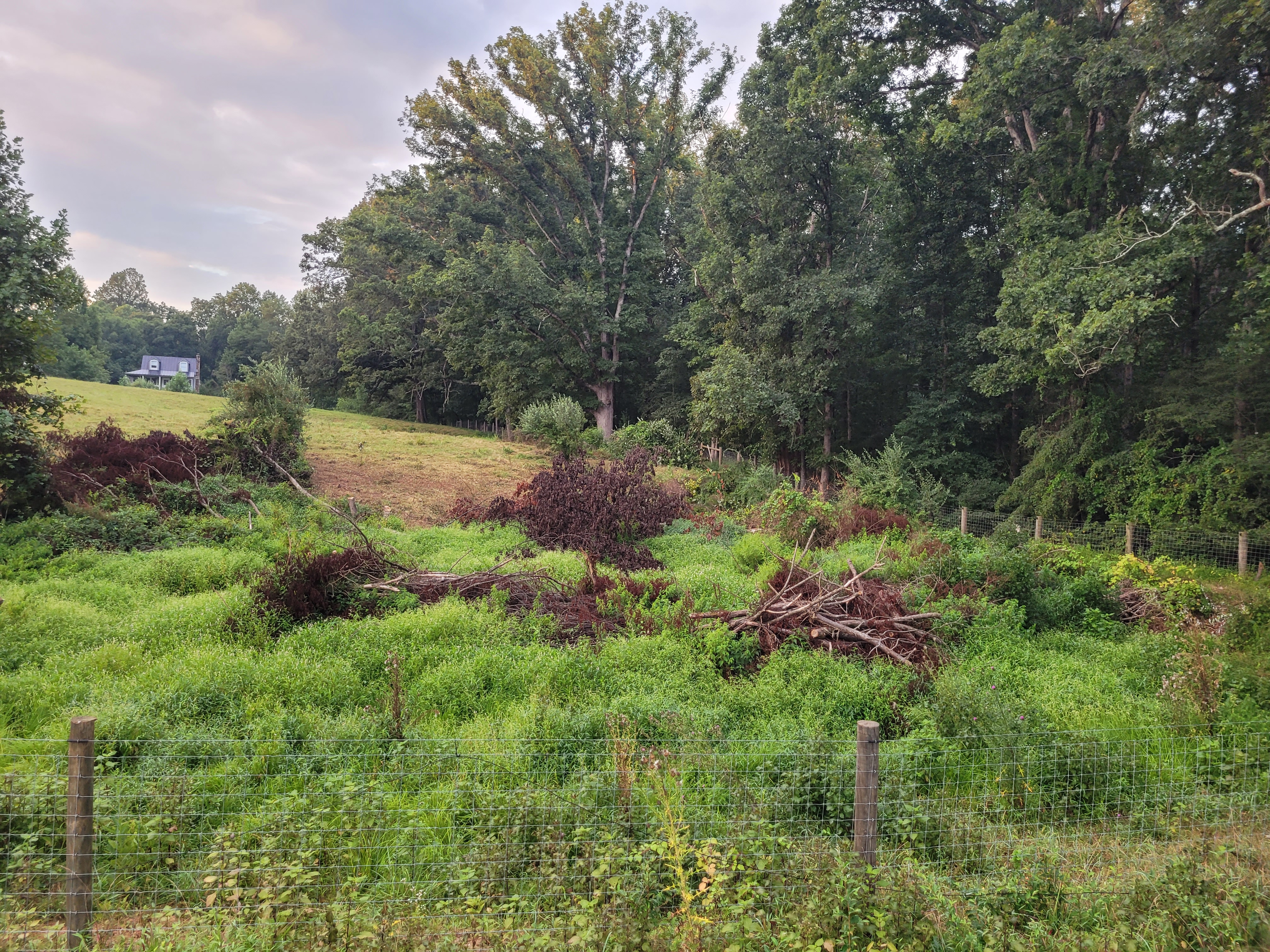
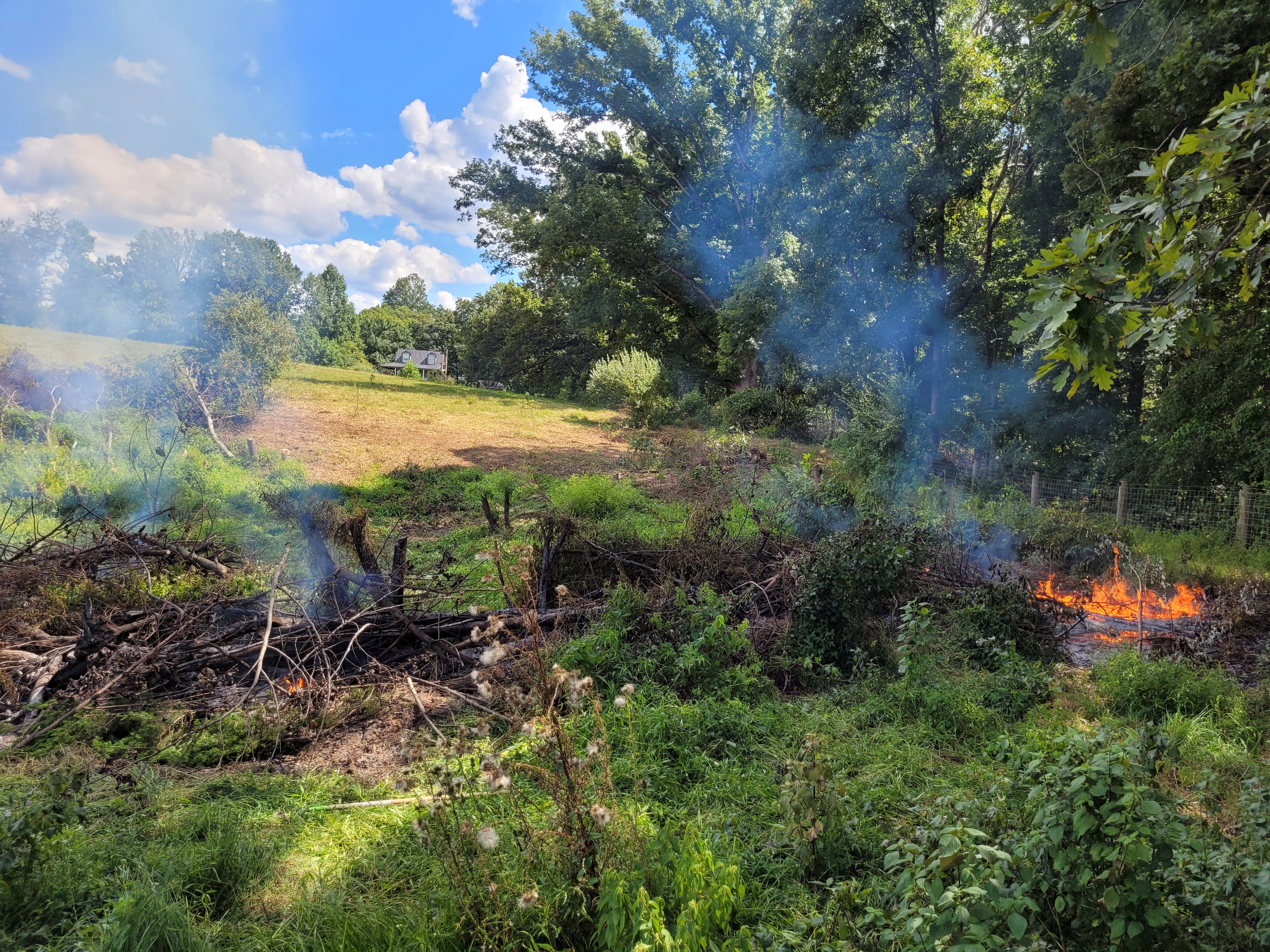
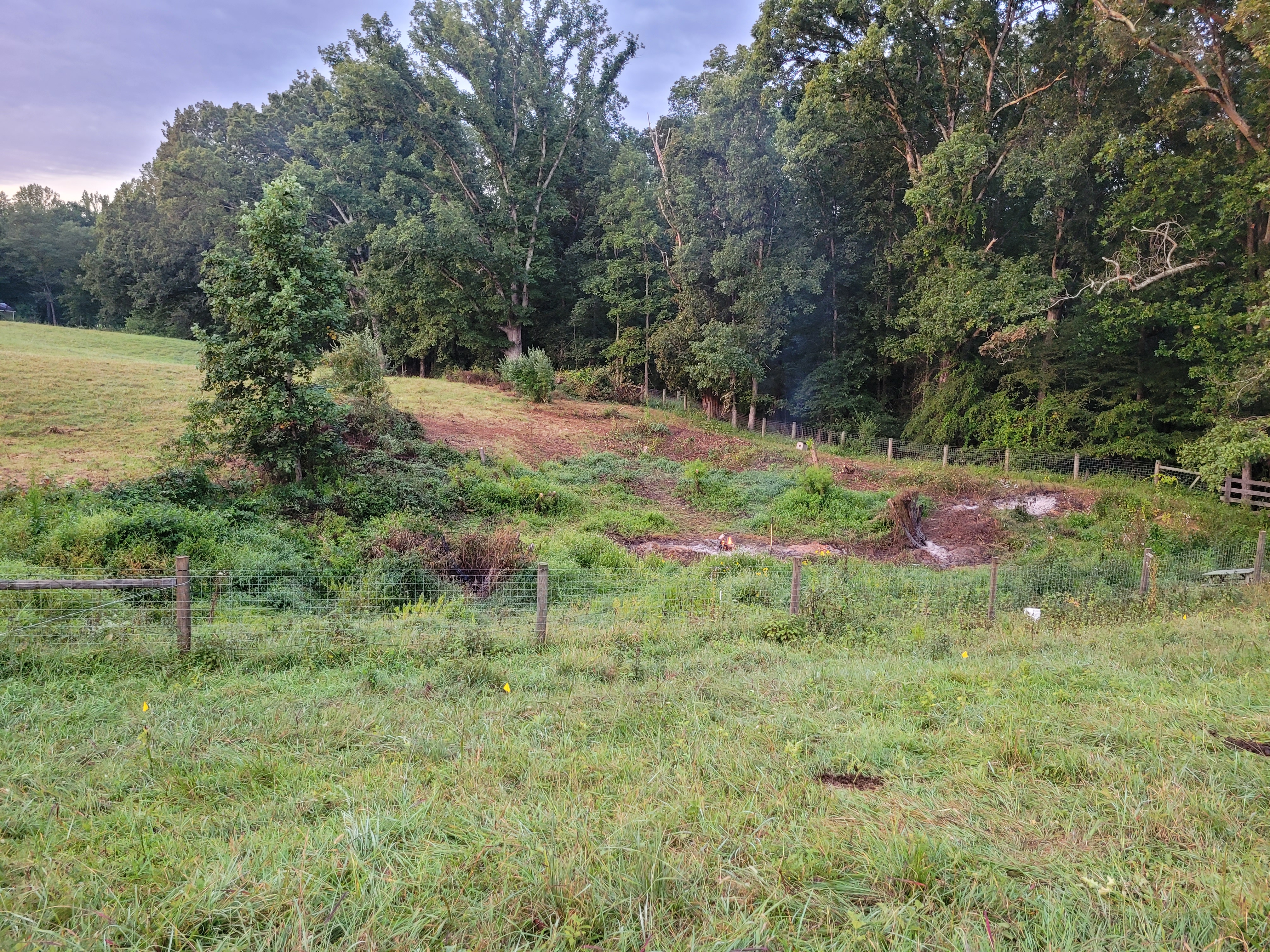
(The “before” photo was taken from the opposite side of the gully)
Hay
This winter, I got more alfalfa/orchard grass mix from the same farmer over in Stuarts Draft. Because of the hot summer, the only thing he could sell me was first cutting hay which meant it was really stemmy – and the same price. The cows did fine on it, though.
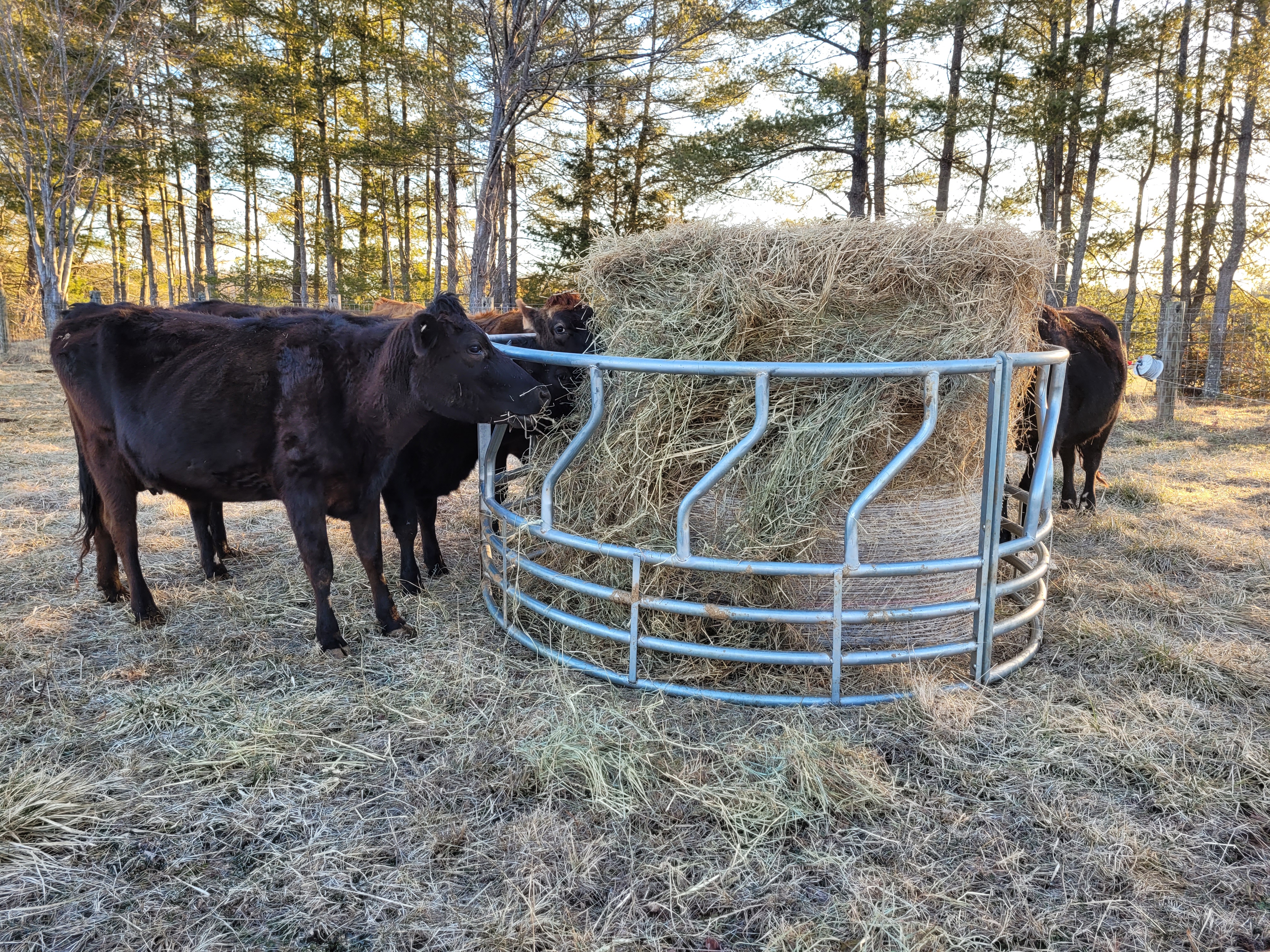
I fed hay on the same hilltop, near the road, all winter. I figured it would be well-drained there and any nutrient-rich runoff would might get soaked up by the hillside on the way down. The plan worked well: the place looked rough in February but by May, all the grass had grown back beautifully. I think the orchard grass seedheads in the first-cutting hay helped too.
Chickens
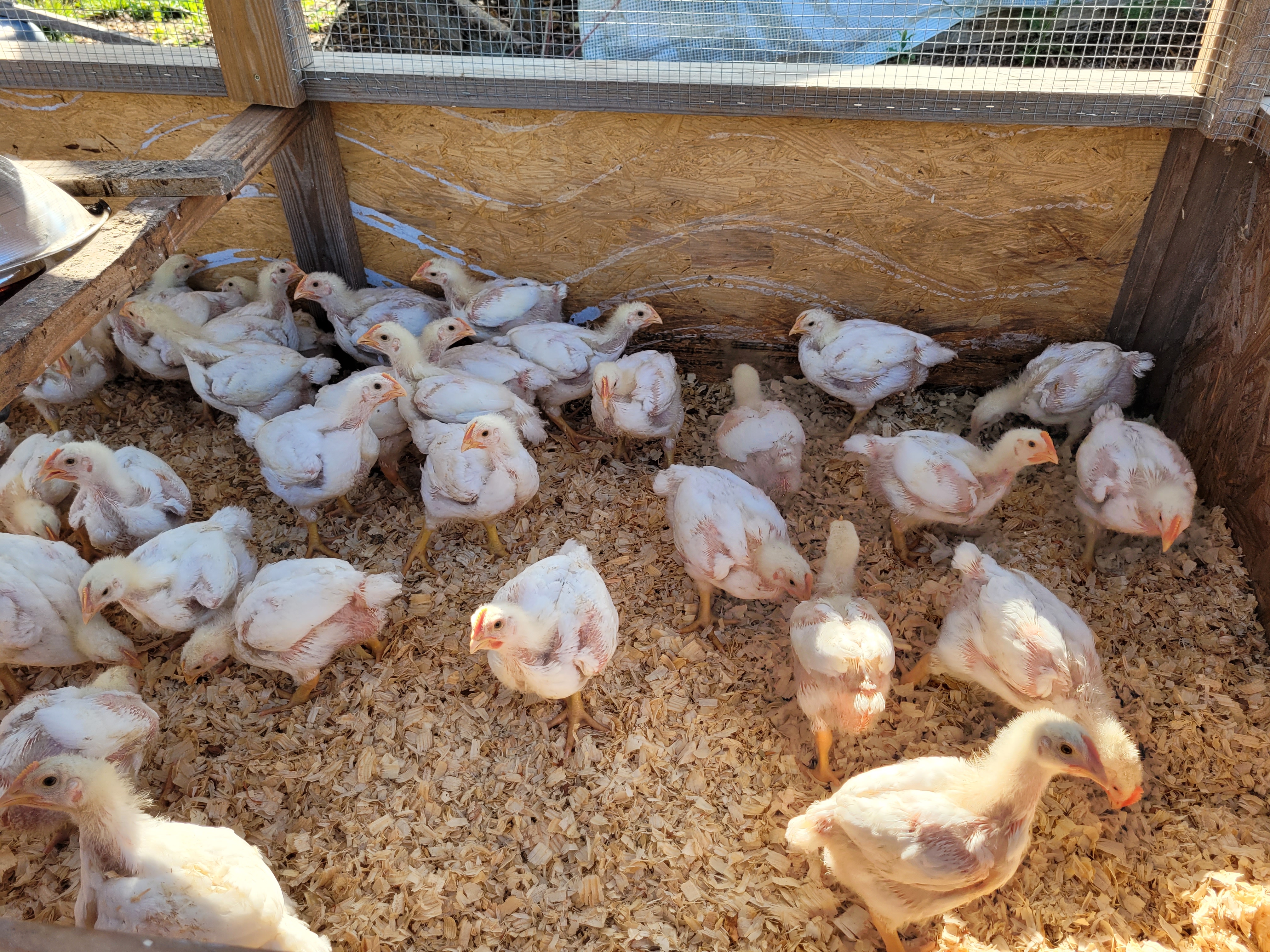
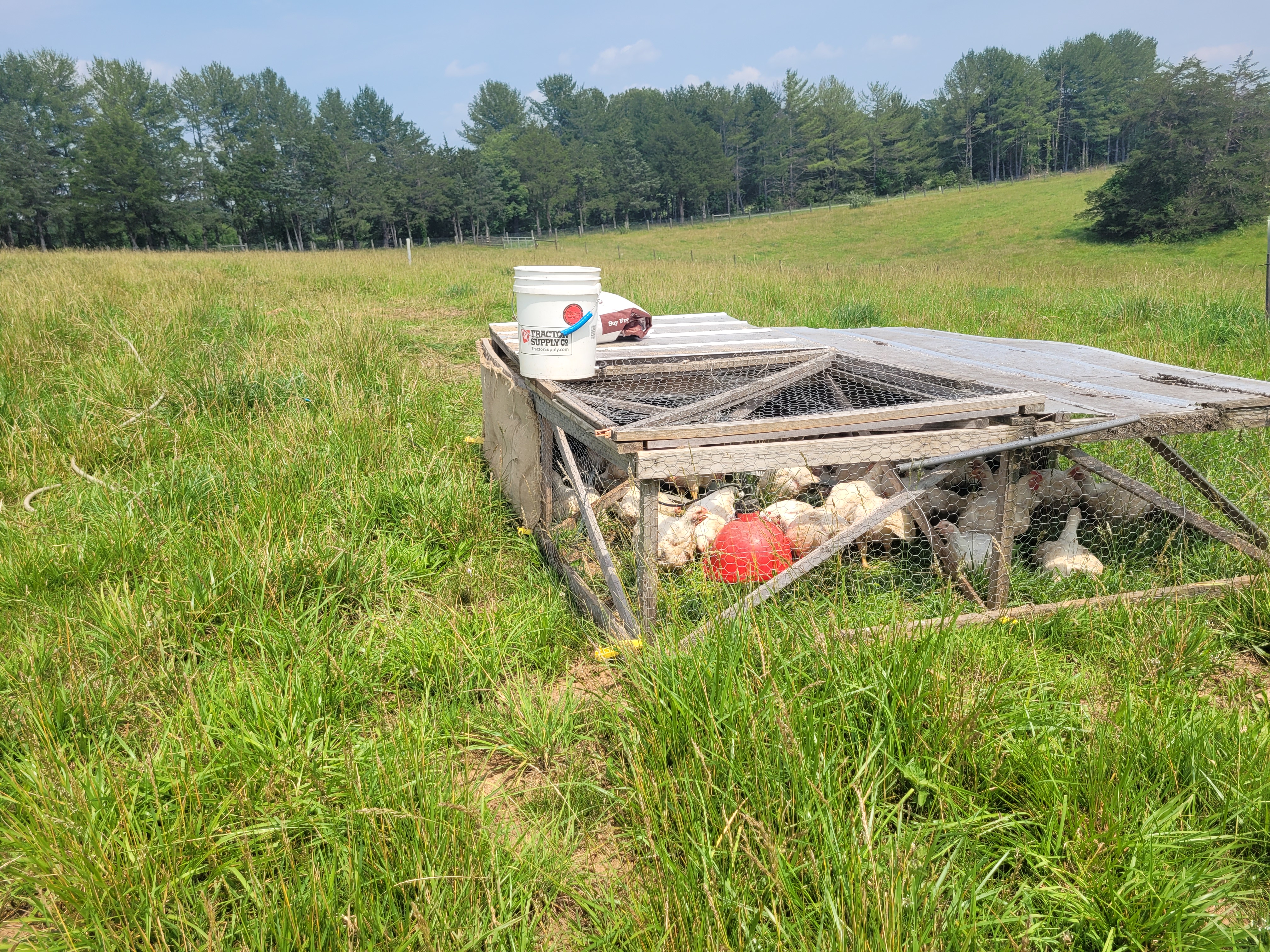
It was a straightforward year of meat birds: I did a batch of 50 boilers in early spring (arrived in early March) and another in late fall (processed late October). This year I borrowed a friend’s electric scalder and it was a big improvement.
I also built a new brooder. It was the same design as my old one (a rectangle with a shed roof that lifted up), except it was bigger and the roof came up in two parts, so you could open half while leaving the other half shut. It worked great.
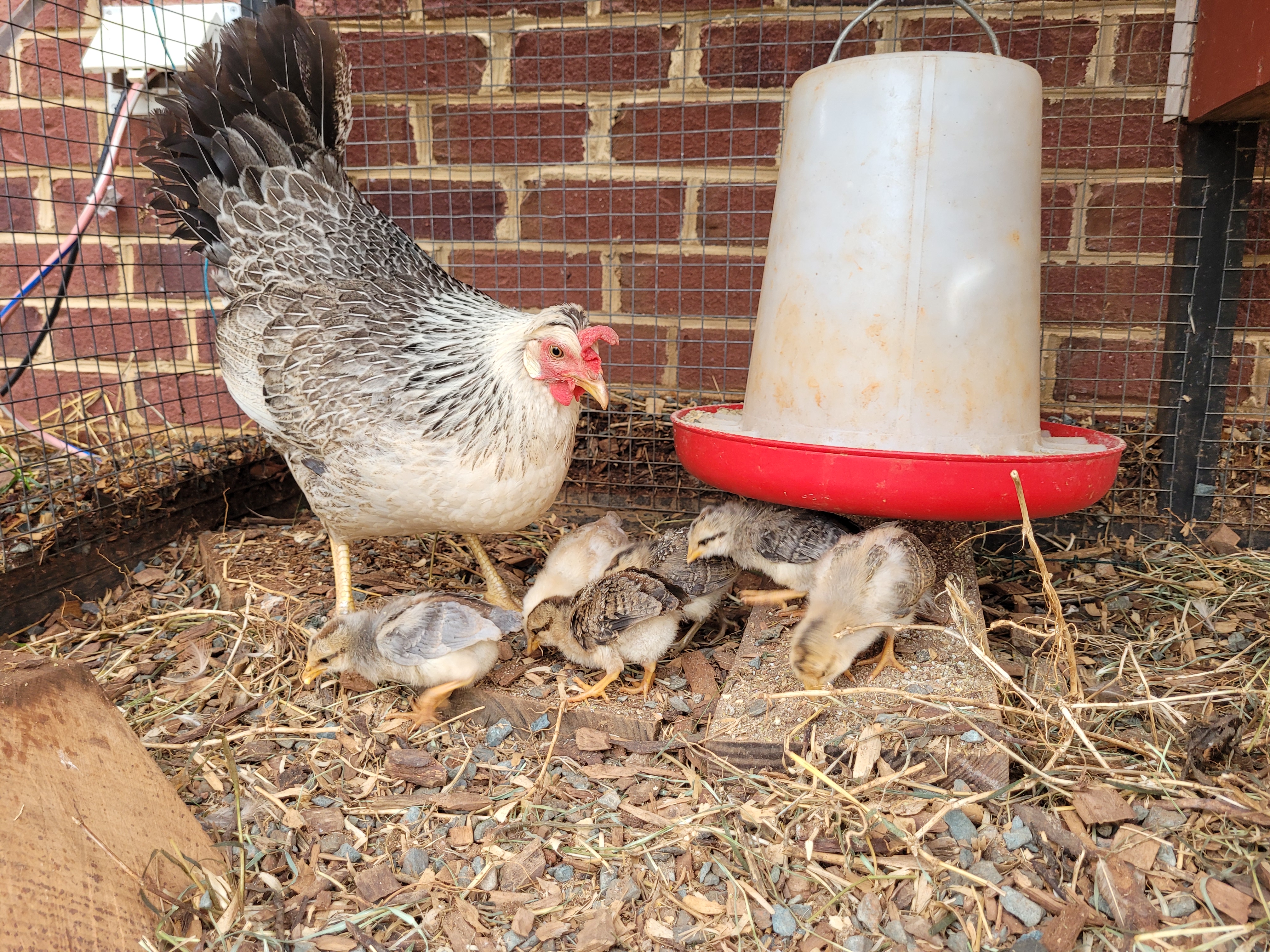
We had a few new layer chicks during the summer, too.
Garden
This year, I was determined to make the vegetable garden more than an afterthought: to keep up with watering, weeding, harvesting, and late planting. We had some hits: sweet potatoes, tomatoes, watermelons, daikon radishes, pumpkins, and volunteer delicata squash. We got Belle last year to keep deer away and she did a great job.
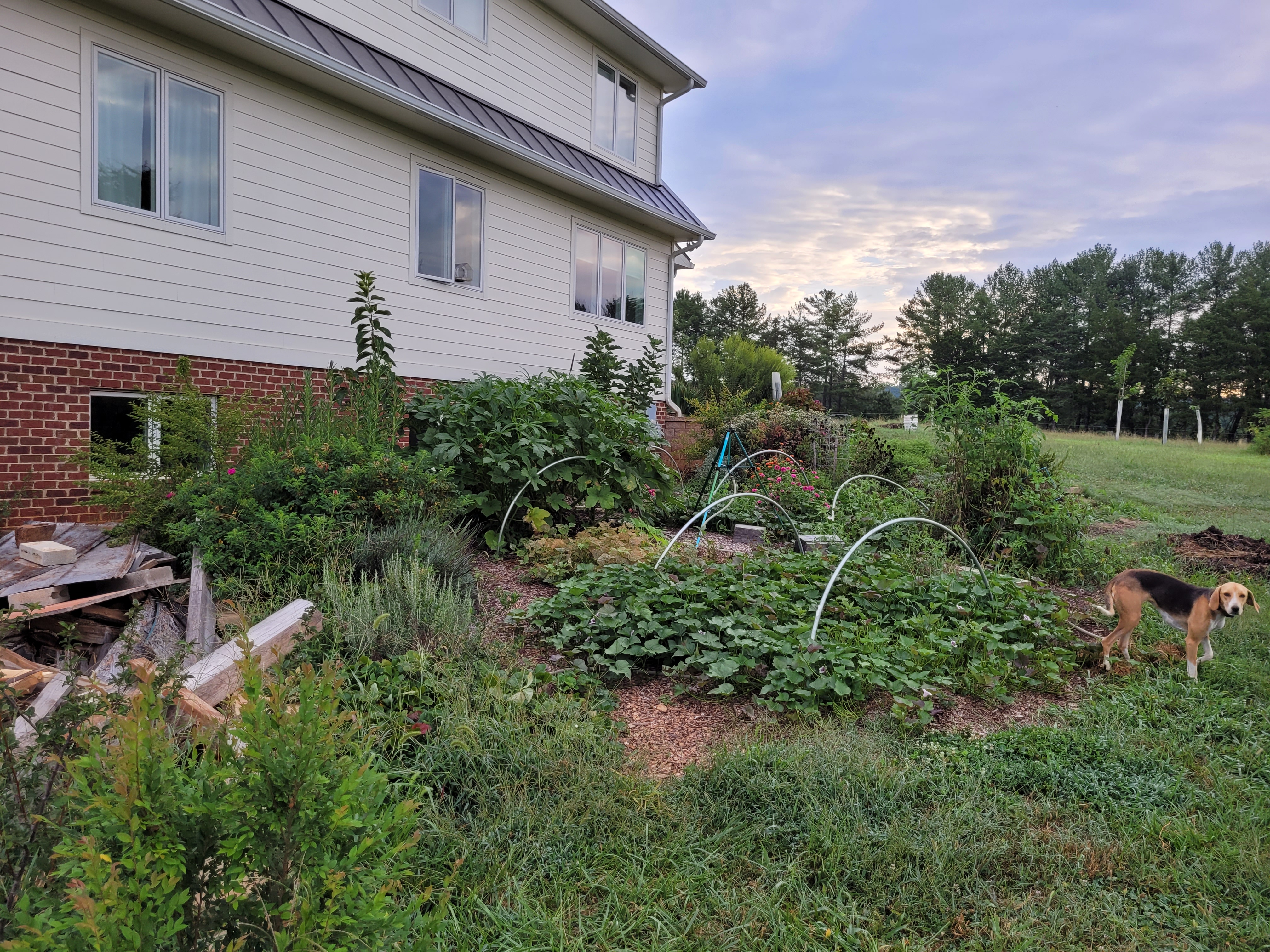
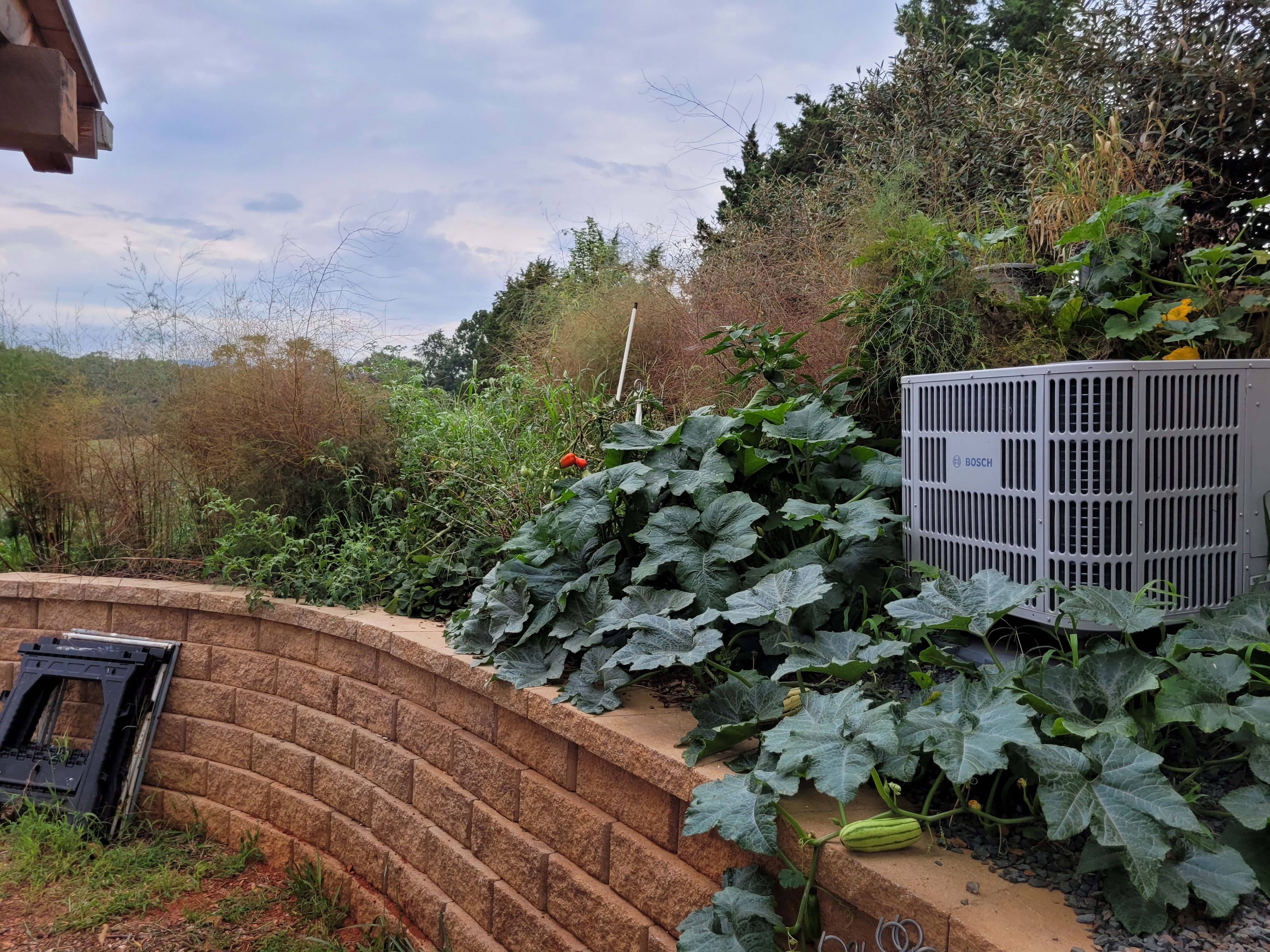
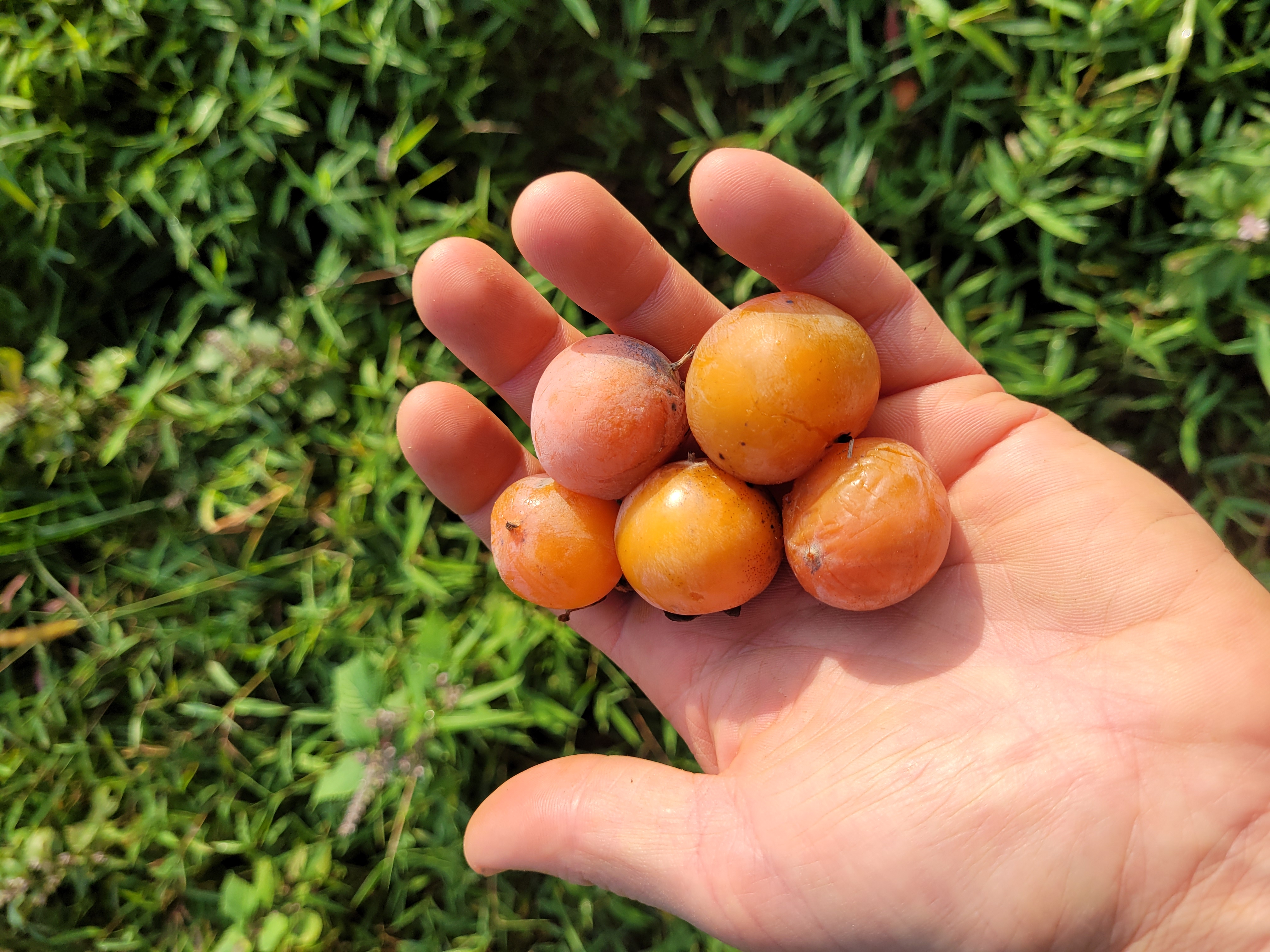
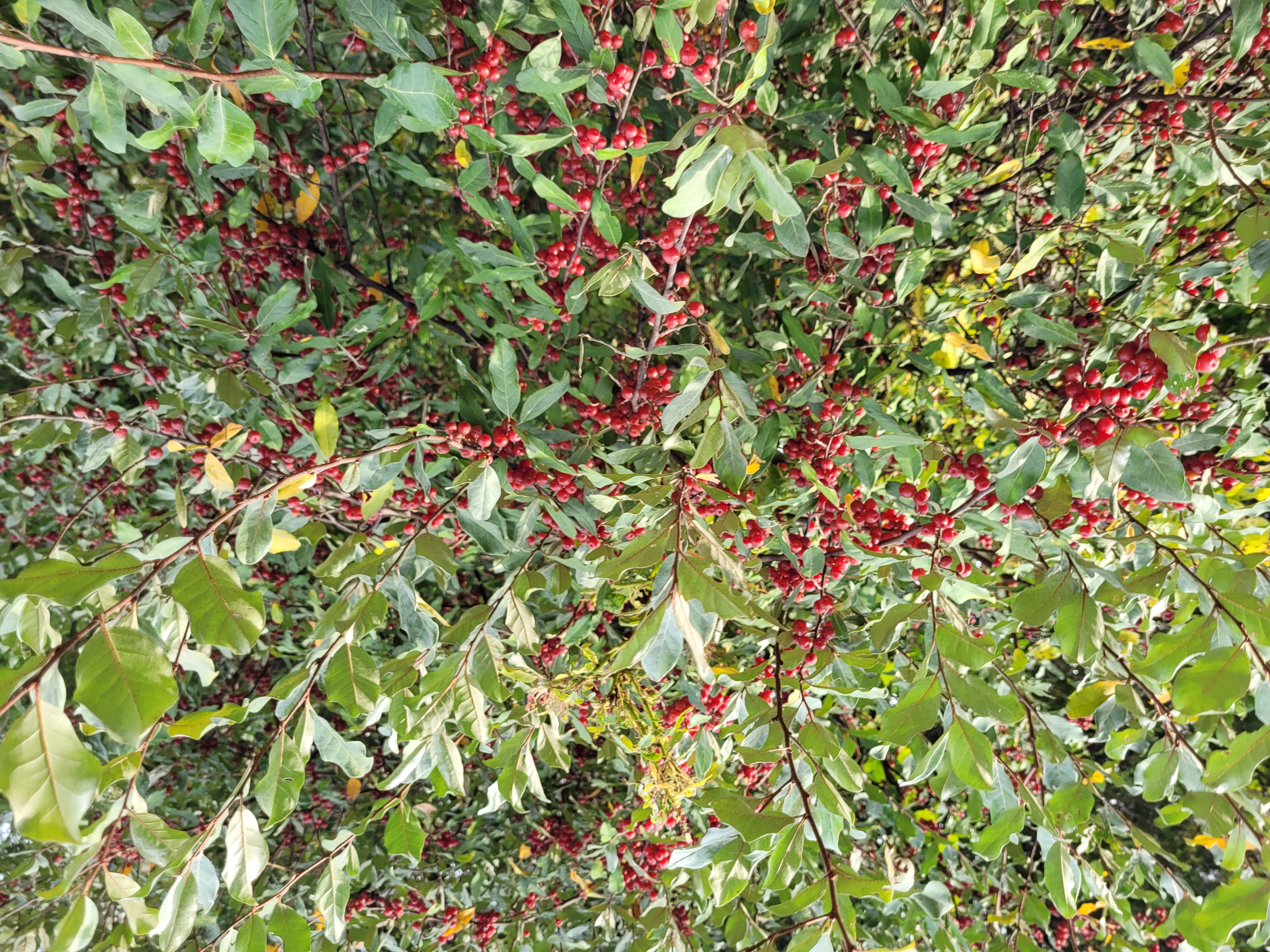
We also did some foraging for blackberries in the summer and autumn olives, paw paws, and persimmons in the fall.
In the fall, I started preparing some new beds, using the same mulching recipe that has proven to work well over the last few years: a thick layer of cow pies, then a layer of cardboard, then a thick layer of wood chips, and plant into it 6 months later.
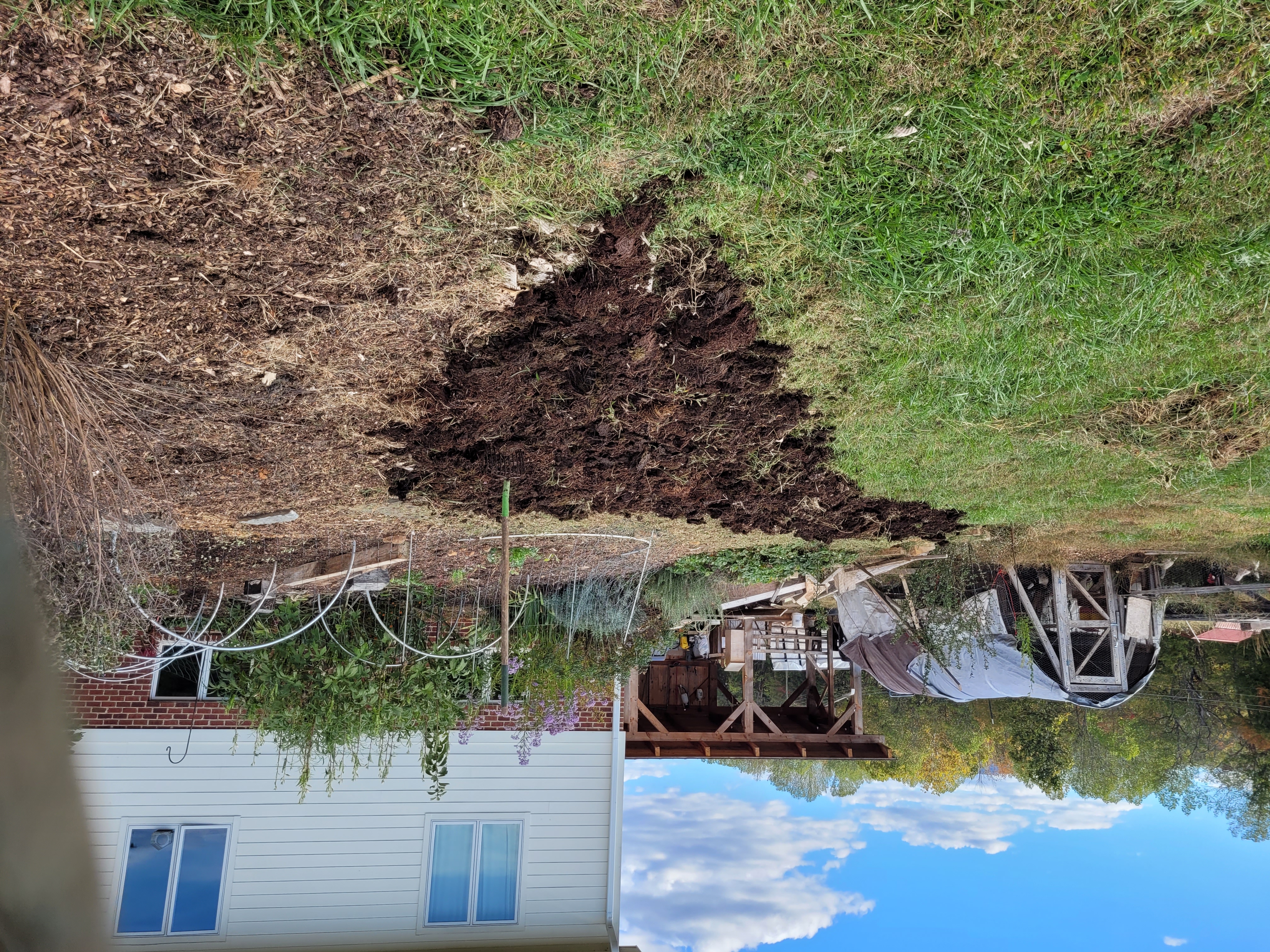
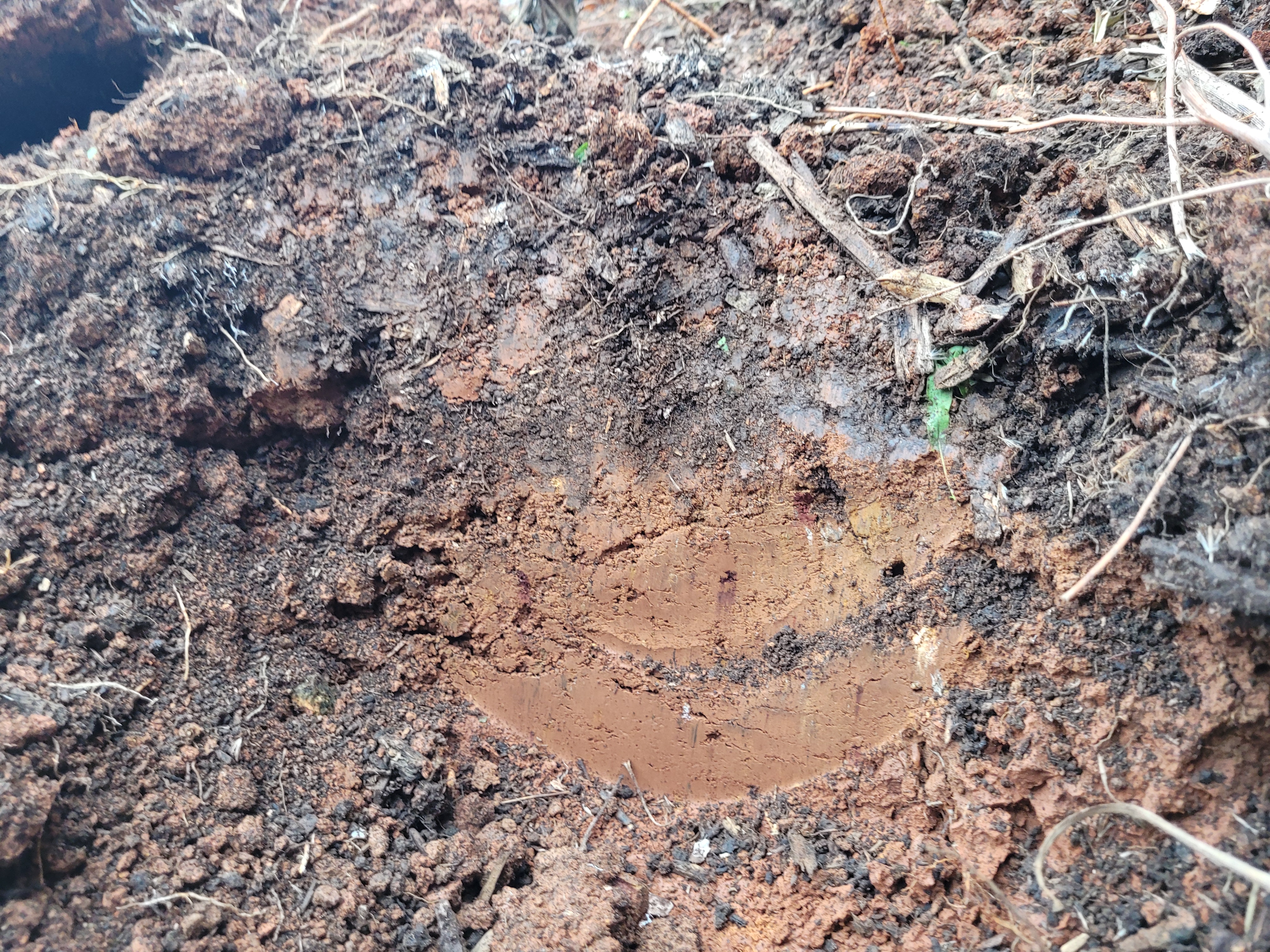
The second picture is a bed that was mulched a few years ago. Check out that rich soil on top of the red clay subsoil along the house!
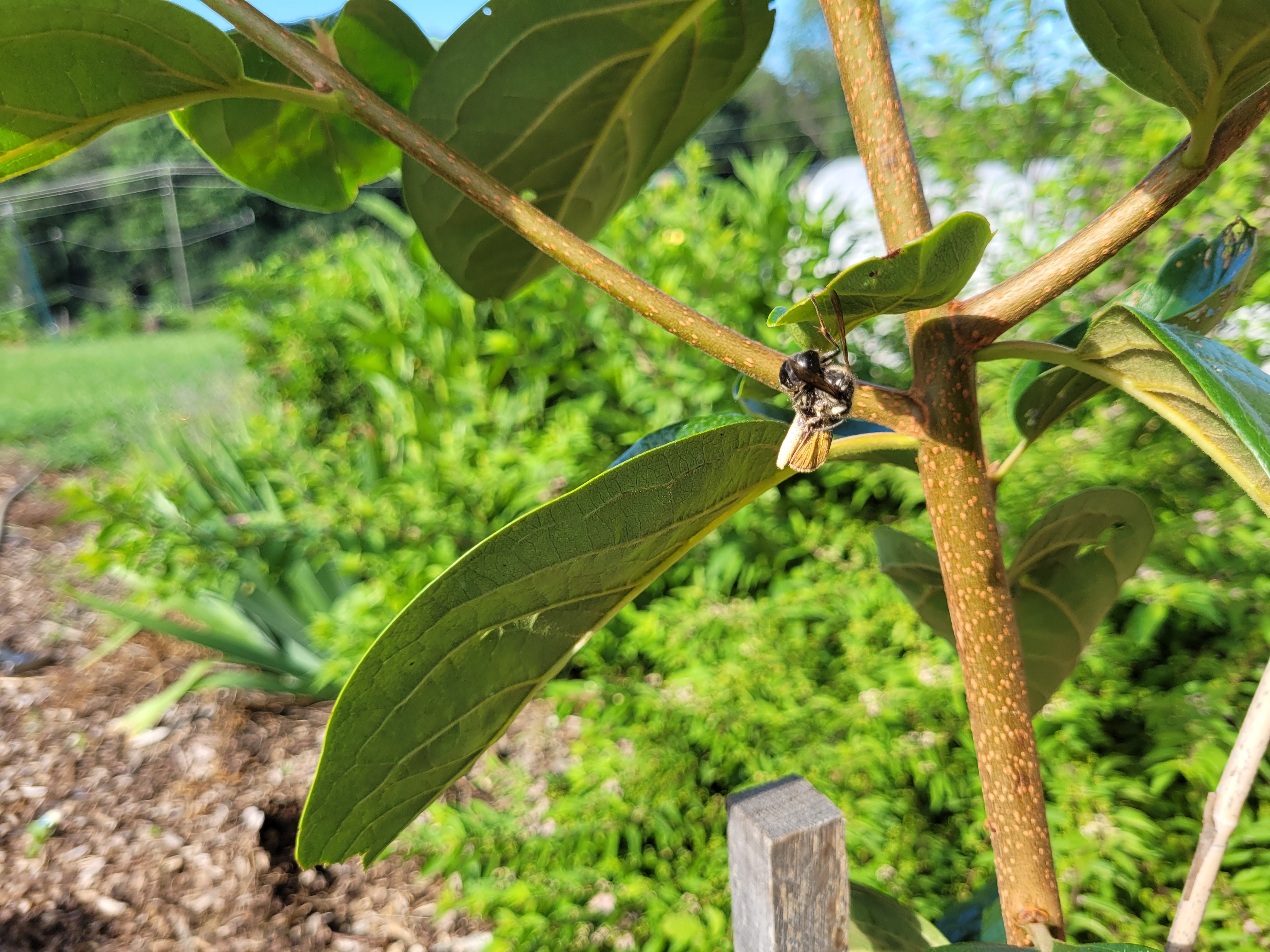
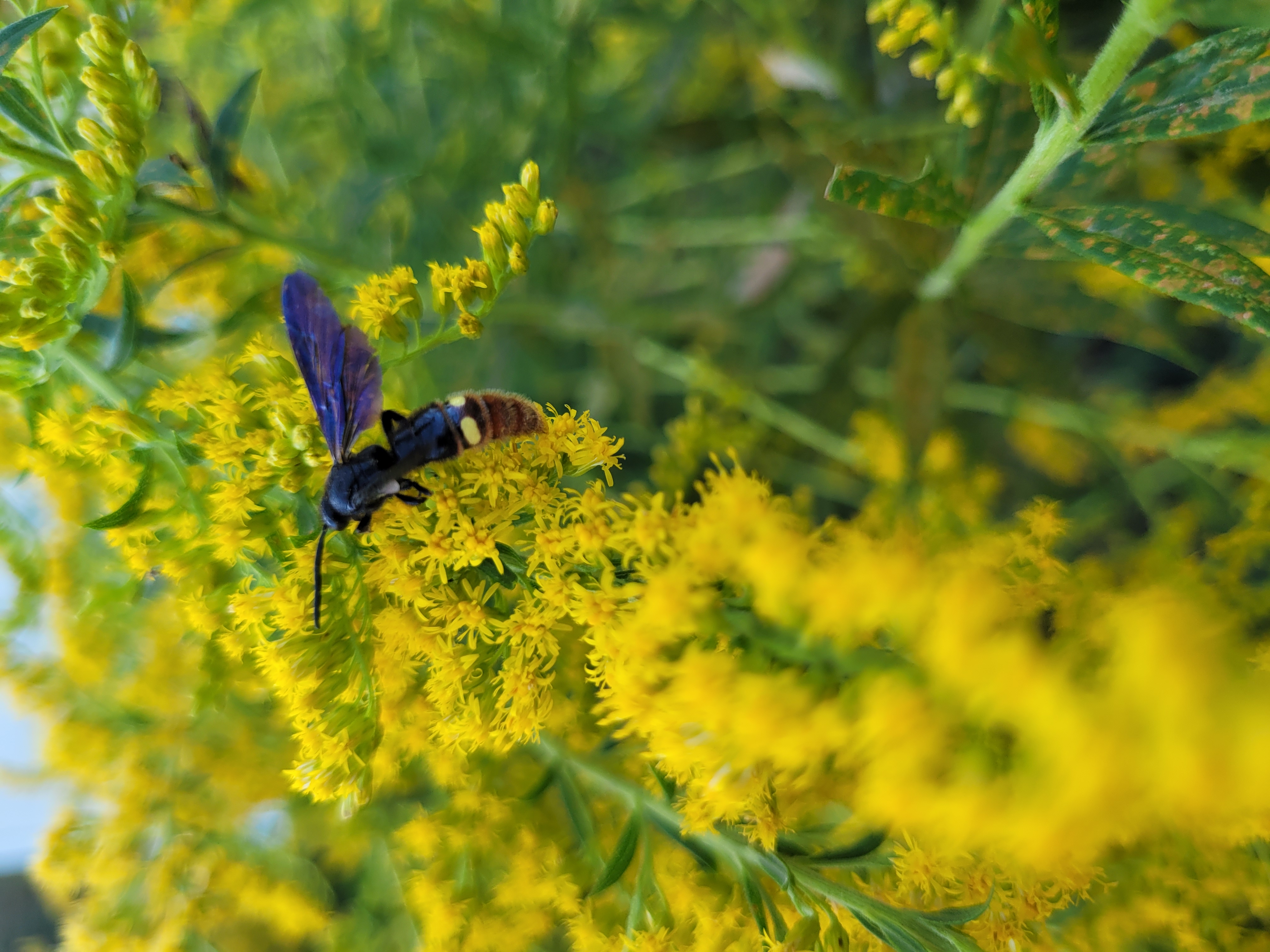
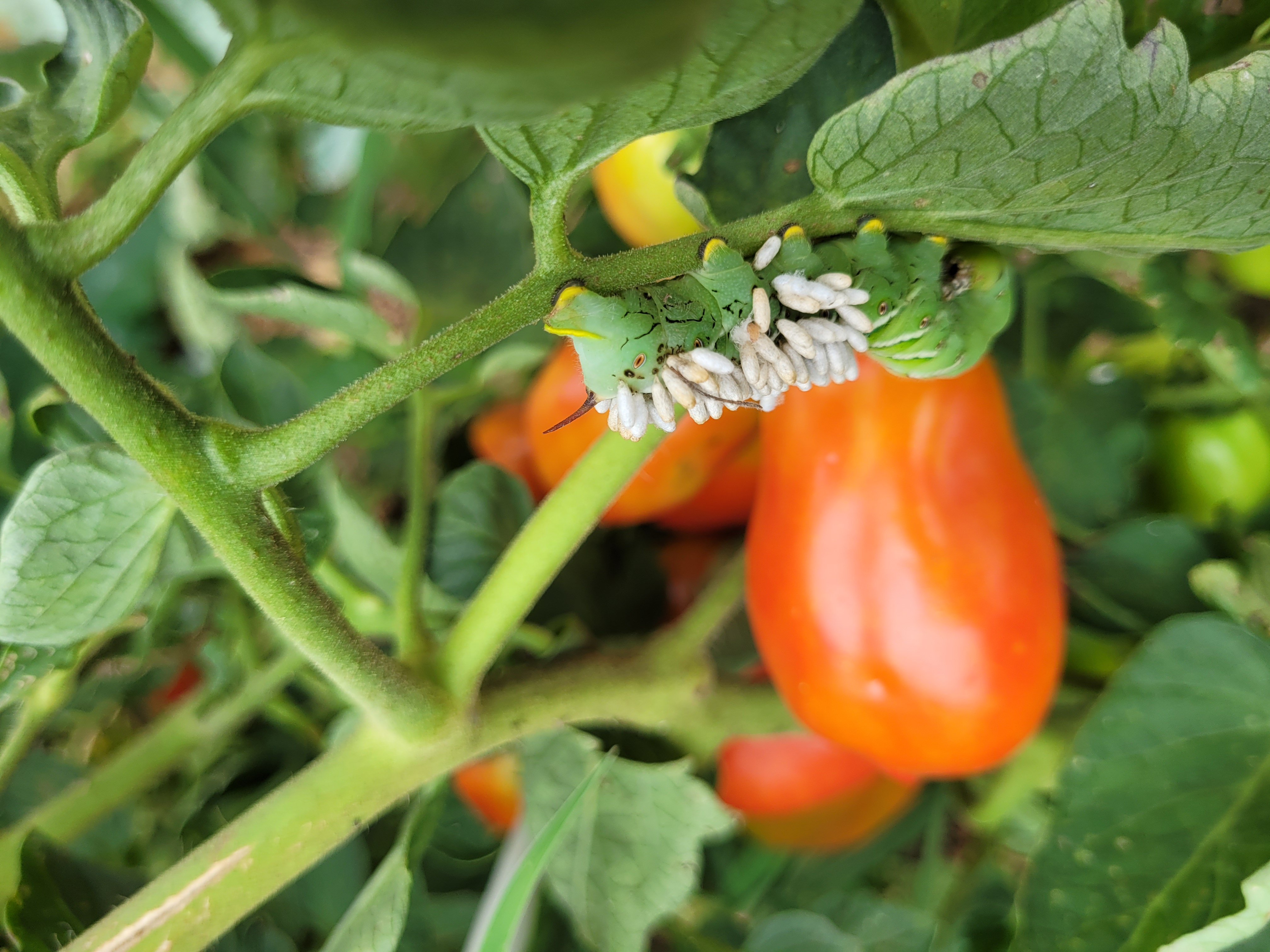
Another goal I have for next year is to continue Valerie’s project of integrating beneficial insectary plants into the productive gardens. We saw a lot of awesome bug action this year! In the fall, I divided our existing native blooming plants and put in another 20-or-so bare root plants of different species.
St. Dunstan’s Academy
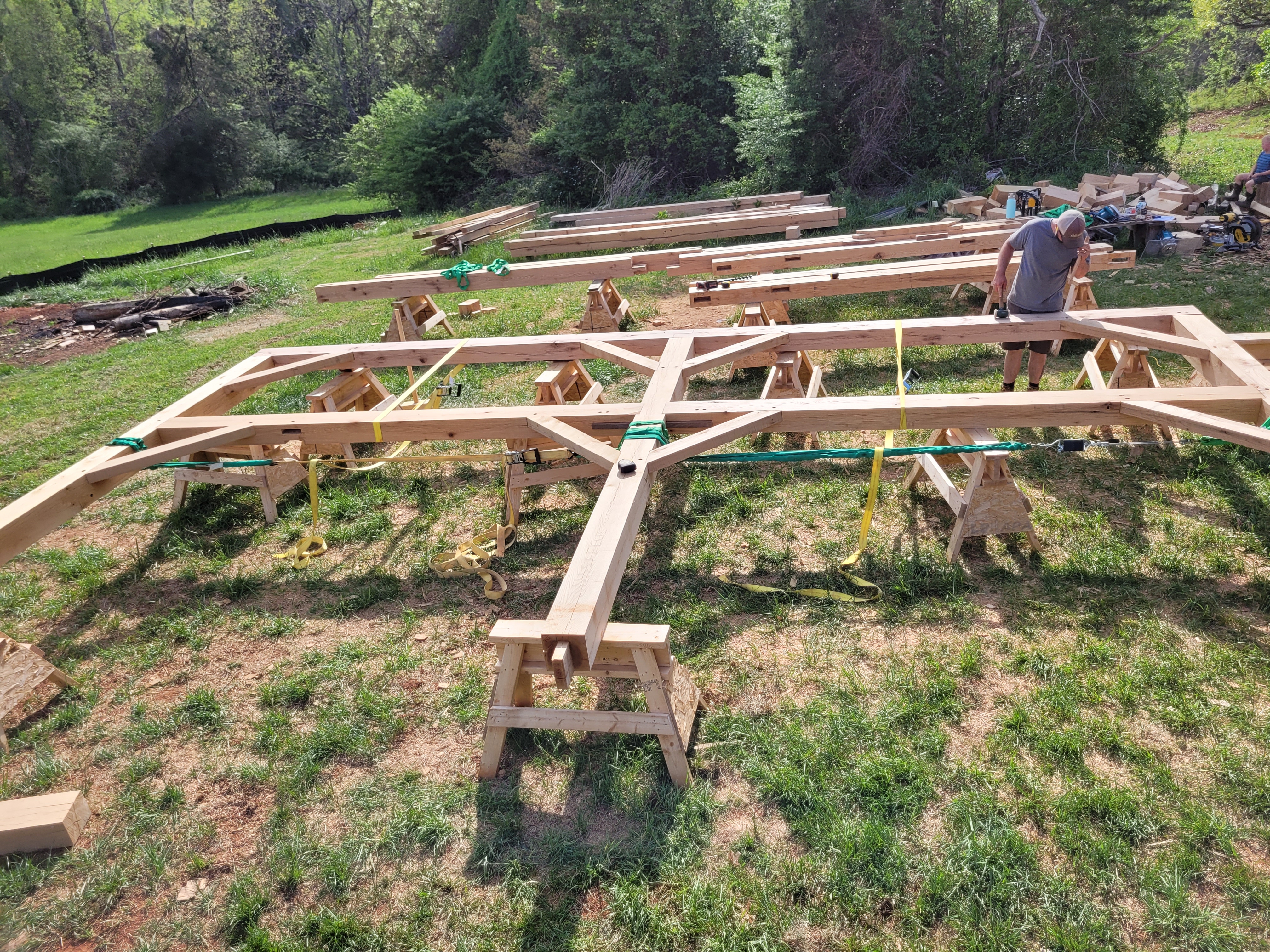
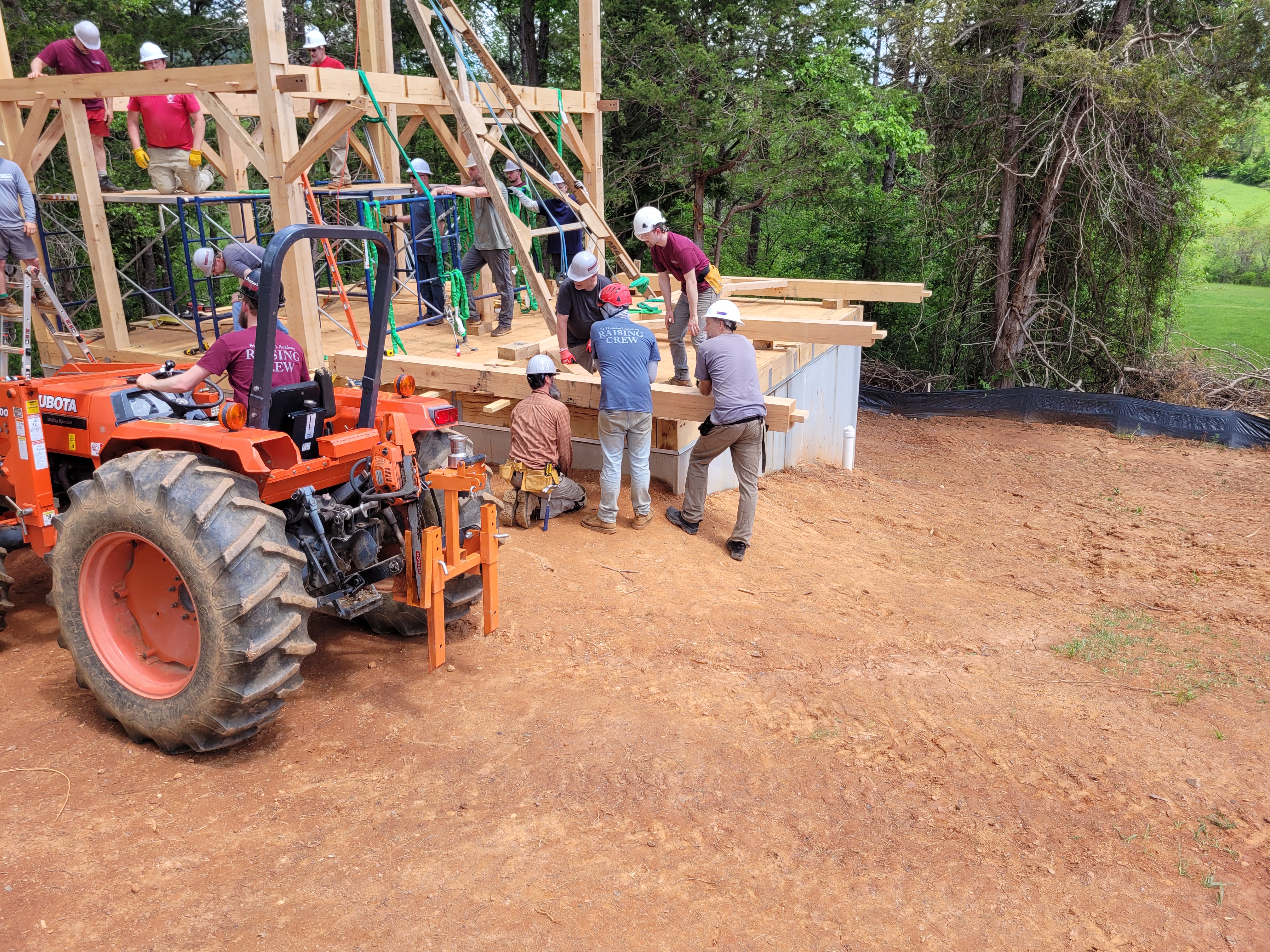
During the spring, I spent about one day a week out at St. Dunstan’s Academy, helping to cut the frame for the first dormitory. We raised it in time for the big, annual St. Dunstan’s Day shindig! I also wrote a piece for them about the species in their pastures.